










PDM Standard Explained – Video Series Now Available
Written by: Richard Farries
Published: Jan 27, 2026
| View All Blogs
10 Reasons Why You Need PDM Standard
If you’re looking to learn more about PDM Standard then you’ll want to check out this video series from PDM expert Richard Farries. The first video below covers the importance of properly managing your CAD data and the benefits PDM Standard can bring, the following short videos will each explain a key topic and share some best practice advice to help you efficiently manage your CAD data.
PDM Standard Explained
The importance of properly managing your CAD data cannot be overstated, in this video we’ll cover why your team needs a data management system, introduce you to SOLIDWORKS PDM Standard, and then explain 10 key things you to need to know about it. SOLIDWORKS PDM Standard is our entry level data management solution and it’s best suited for small to medium sized design teams. Learn about our data management packages here.
PDM Standard – File Creation
Take a look at file creation in SOILDWORKS PDM Standard and learn how properties can be associated with files so that they populate drawing borders automatically. See how files are then added into PDM to become visible to other users through a workflow which controls file access.
PDM Standard – User Interface
This video explores the user interface for SOLIDWORKS PDM Standard and how files can be previewed without the need for opening them in SOLIDWORKS. Through the PDM interface you can also view properties, bills of materials and ‘where used’ information and more.
PDM Standard – Legacy Data
Many companies need to handle bringing legacy data into SOLIDWORKS PDM Standard, this video covers the key considerations when doing so, for example the handling of library components or duplicate files.
PDM Standard – Managing Design Change
SOLIDWORKS PDM Standard can help facilitate design changes with SOLIDWORKS data and enable engineering teams to work collaboratively with ease. See how you can leverage its powerful search capabilities and enable users to view previous design iterations in this video.
PDM Standard – Toolbox
SOLIDWORKS PDM Standard can control and manage Toolbox and standard library components eliminating the need for storing data locally. Any changes made to these files doesn’t require synchronisation to users PC’s as this happens automatically with data stored in SOLIDWORKS PDM Standard. Watch this video to learn about how to take advantage of the capabilities of PDM and Toolbox.
PDM Standard – Copy Tree
The Copy Tree command in SOLIDWORKS PDM Standard enables entire designs to be copied and filenames changed whilst also allowing the automatic update of metadata. This video will provide an overview of how to use the command.
PDM Standard – Workflow Approval Process
This short video explores the workflow approval process in SOLIDWORKS PDM Standard, workflows control document access helping admins to ensure the right users have access at the right time. Workflows can also automate certain tasks to improve efficiency, in this video we’ll demonstrate a workflow that captures approval information, updates drawing borders automatically and generates a PDF file as an output.
PDM Standard – Implementation Options
Looking to start using SOLIDWORKS PDM Standard? Learn about the implementation options Solid Solutions offer, designed to get you up and running with PDM Standard as quickly as possible while minimizing risk and downtime for your team. Learn more about PDM Implementations here
Categorised as: Data Management | SOLIDWORKS PDM | Tech Tips
Looking to start using SOLIDWORKS PDM Standard?
Learn about the implementation options Solid Solutions offer, designed to get you up and running with PDM Standard as quickly as possible while minimizing risk and downtime for your team.

Related Posts

How to Find Reaction Forces in SOLIDWORKS Simulation
SOLIDWORKS helps us to find resultant forces through simulation studies. These virtual tests reduce the need for physical prototypes and give us an accurate answer.

Setting number of decimal places in a table on a drawing
When creating an equation in a drawing general table, is it possible to define the…

Why is my Flat Pattern not showing in SOLIDWORKS Drawings?
This may be linked to how the drawing is saved or it can be related to how sheet metal parts are displayed in drawings, read on to find out how to fix it.

Why is SOLIDWORKS Crashing?
It’s one of the great mysteries of life – why is SOLIDWORKS crashing? Let’s explore how SOLIDWORKS crashes and how we can improve performance in SOLIDWORKS.
Tech Support Blog: Why are my SOLIDWORKS BOM Quantities Wrong?
Why are my SOLIDWORKS BOM Quantities Wrong? A support call cropped up this week which…
How to Get Your Serial Number for SOLIDWORKS Visualize Standard
Want to download Visualize to make photorealistic renders? Follow this guide for accessing your Visualize serial number that comes bundled in with SolidWorks Professional and Premium.

How to Recover SOLIDWORKS Files After a Crash
SOLIDWORKS has two different methods to help you recover from an unexpected crash or loss of data in the form of auto-recovery and back-up settings.
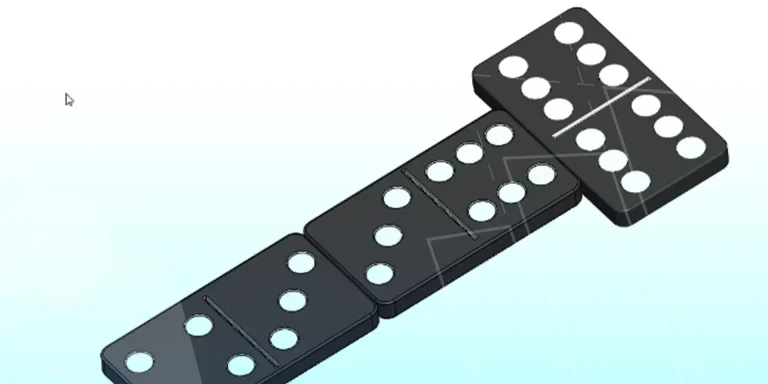
SOLIDWORKS Magnetic Mates
Magnetic makes are used within SolidWorks assemblies to easily configure and position assembly components. Through defining connection points and ground plane(s) – position components through drag and dropping one component within close proximity of another to snap the asset into position.

SOLIDWORKS Dimensions – Collated Quick Tips
We have collated some of our favourite tips on creating, manipulating and controlling dimensions in SolidWorks, both at a sketching and drawing level. Read on to find out more…

How to Deactivate (Transfer) a SOLIDWORKS License
A SOLIDWORKS standalone license can only be activated on one machine at a time. If you plan on moving your SOLIDWORKS license to another machine you will first need to deactivate it. Additionally if a standalone license has ended up on multiple machines or you are making a change to your computer, you will need to deactivate the license first.