






SOLIDWORKS FEA Simulation Training
Learn to predict product performance with SOLIDWORKS FEA Simulation training for structural analysis.
Course Overview
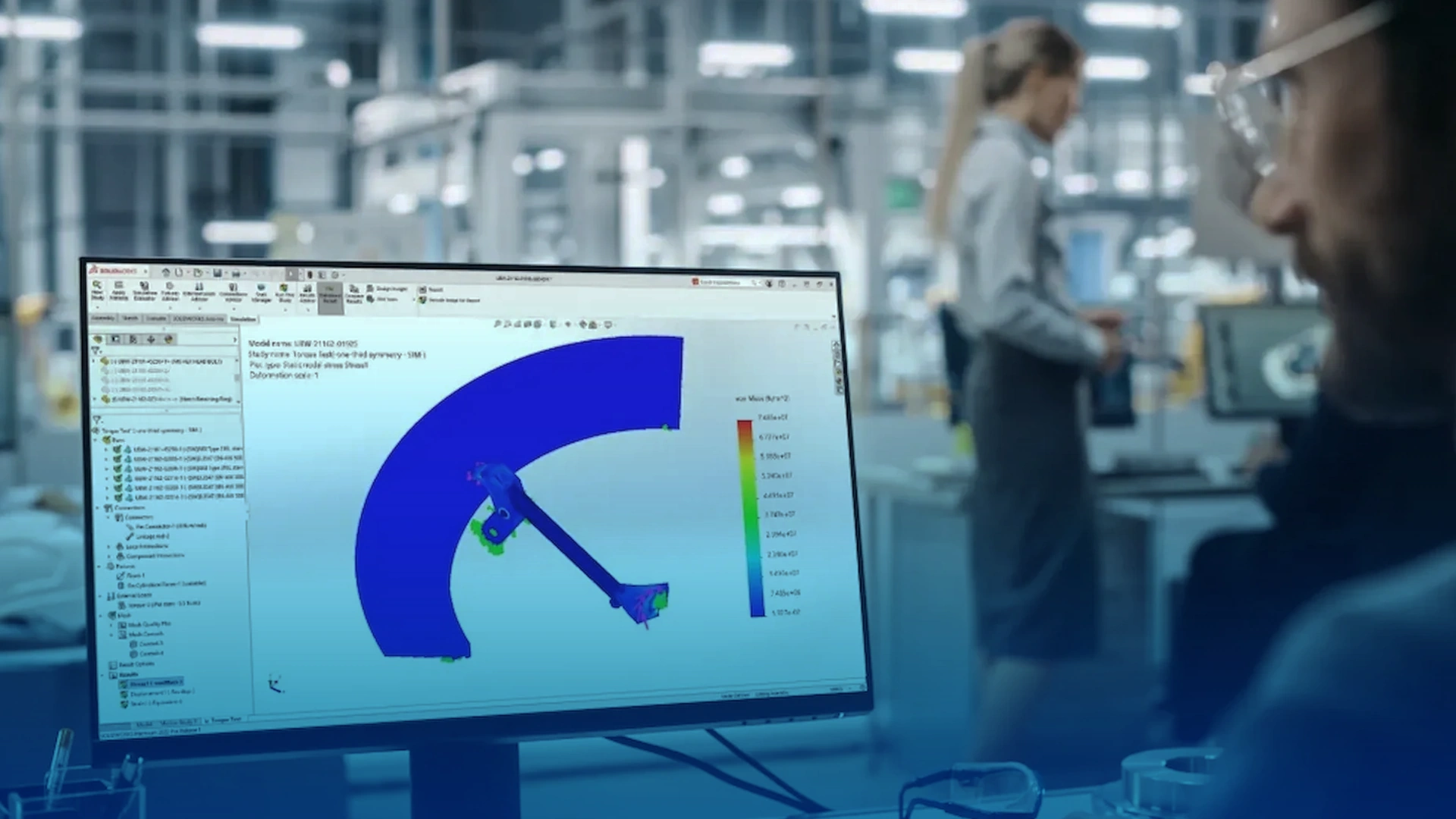
Understand the seamless integration between the SOLIDWORKS and Simulation user interface. Understand basics of FEA and how these are interpreted into solving real life engineering problems, inevitably reducing the required number of physical prototypes and testing.
The course gradually introduces more and more functionality of the package- understanding the meshing process, interpreting results and outputs, assembly interaction and connector conditions. Learn how to speed up the analysis process of analysing structural behaviour of SOLIDWORKS parts and assemblies, as per real life.
NOTE: This course is available as part of the Silver, Gold & Platinum Training Passports.
What You'll Learn
Course Agenda
Lesson 1: The Analysis Process
The first lesson of this course introduces the SOLIDWORKS Simulation interface. The user will execute a linear static analysis using solid elements and be taught how to recognise the influence of mesh density on displacement and stress results. Finally, the user will learn various methods to present FEA results and understand how to manage SOLIDWORKS Simulation result files.
Lesson 2: Mesh Controls, Stress Concentrations and Boundary Conditions
Upon successful completion of Lesson 2 the user will be able to illustrate the differences between modelling and meshing errors, as well as describe when a lack of convergence of results may occur. The user will learn how to use mesh controls to refine areas of the mesh and understand stress concentrations. Finally, the user will be taught how to analyse a model in different SOLIDWORKS configurations as well as run multiple studies in one go using batch mode.
Lesson 3: Assembly Analysis with Interactions
Lesson 3 teaches the user how to perform structural analysis of simple assemblies as well as how to apply and define interaction conditions between bodies.
Lesson 4: Symmetrical and Free Self-Equilibrated Assemblies
In Lesson 4, the user will learn how to utilise symmetry within their study to decrease run time as well as how to display results using a cylindrical coordinate system. The user will be introduced to the soft springs and inertial relief options, which help stabilise slightly unbalanced systems. They will learn how to use the 'What’s Wrong' feature to locate problems and finally, present their analysis results in eDrawings which can then be opened by anyone (even if they don’t have SOLIDWORKS Simulation).
Lesson 5: Assembly Analysis with Connectors and Mesh Refinement
In Lesson 5, the user will be taught how to analyse a more complex solid mesh assembly with various contact conditions and connectors (e.g. bolts and pins). Attendees will also use contact offsets in definitions of local interaction conditions to account for machining tolerances. The user will learn to analyse the quality of solid meshes and use tools such as remote loads and virtual walls to optimise the efficiency of the analysis.
Lesson 6: Bonded Mesh Options
Upon completion of Lesson 6, the user will understand bonding formulations in solid element meshes with various contact conditions as well as commonality between nodes on touching boundaries. The user will then learn about applying cyclic symmetry.
Lesson 7: Analysis of Thin Components
In Lesson 7, the user will learn how to create mid-plane shell element mesh and how to create shell mesh from selected surfaces. They will be taught how to perform structural analysis on 'thin' geometry and analyse results when using shell elements.
Lesson 8: Mixed Meshing Shells & Solids
Lesson 8 teaches the user how to construct a good quality mesh with appropriate mesh controls as well as how to set up shell to shell and shell to solid contacts in a mixed mesh assembly.
Lesson 9: Beam Analysis
Lesson 9 focuses on using beam elements to analyse weldment models as well as defining appropriate joint connections to reflect the real world situation. The user will also learn how to post-process the results for beam elements.
Lesson 10: Mixed Meshing Solids, Beams & Shells
In Lesson 10, the user will be taught how to construct and edit a mesh with beam, shell and solid elements. They will learn how to set up various shell to beam and shell to solid contacts in mixed mesh assembly and display the results obtained with beam elements.
Lesson 11: Design Study
Upon completion of Lesson 11, the user will understand and be able to use the Design Study to analyse trends when specific parameters are varied. The user will also learn how to find the optimum value of some design parameters.
Lesson 12: Thermal Stress Analysis
Lesson 12 teaches the user how to perform a static analysis with a temperature load and how to define temperature dependent material properties. In the lesson, sensors are used to retrieve results at desired locations and the soft springs option is used in thermal stress analysis. The user will learn how to save the deformed shape of the model and examine results in local coordinate systems.
Lesson 13: Adaptive Meshing
In Lesson 13, the user will be introduced to the h-adaptive and p-adaptive solution methods, which automatically refine the mesh in key areas, and learn how to compare results obtained from these. They will also learn how to use the graph tool.
Lesson 14: Large Displacement Analysis
The final lesson of this course teaches the user the difference between geometrically nonlinear, and geometrically linear analyses. The user will be taught how to perform geometrically nonlinear analysis and assess limitations of the linear material model and the nonlinear material model used with the large displacement analysis option.
What do our customers say?
We use Feefo (the global feedback engine) to gather anonymous but certified genuine reviews from our customers. We continually use customer feedback to improve the service that we offer to our customers and to motivate our team.
Click the Feefo button below to read the latest reviews for this course.
Training Booking Process
How to book a course?
Training Methods

Self-Paced
Student, job-seeker, or working professional? Our SOLIDWORKS self-paced training essentials course gives you the flexibility to learn when and where you want.
In-Classroom / Virtual
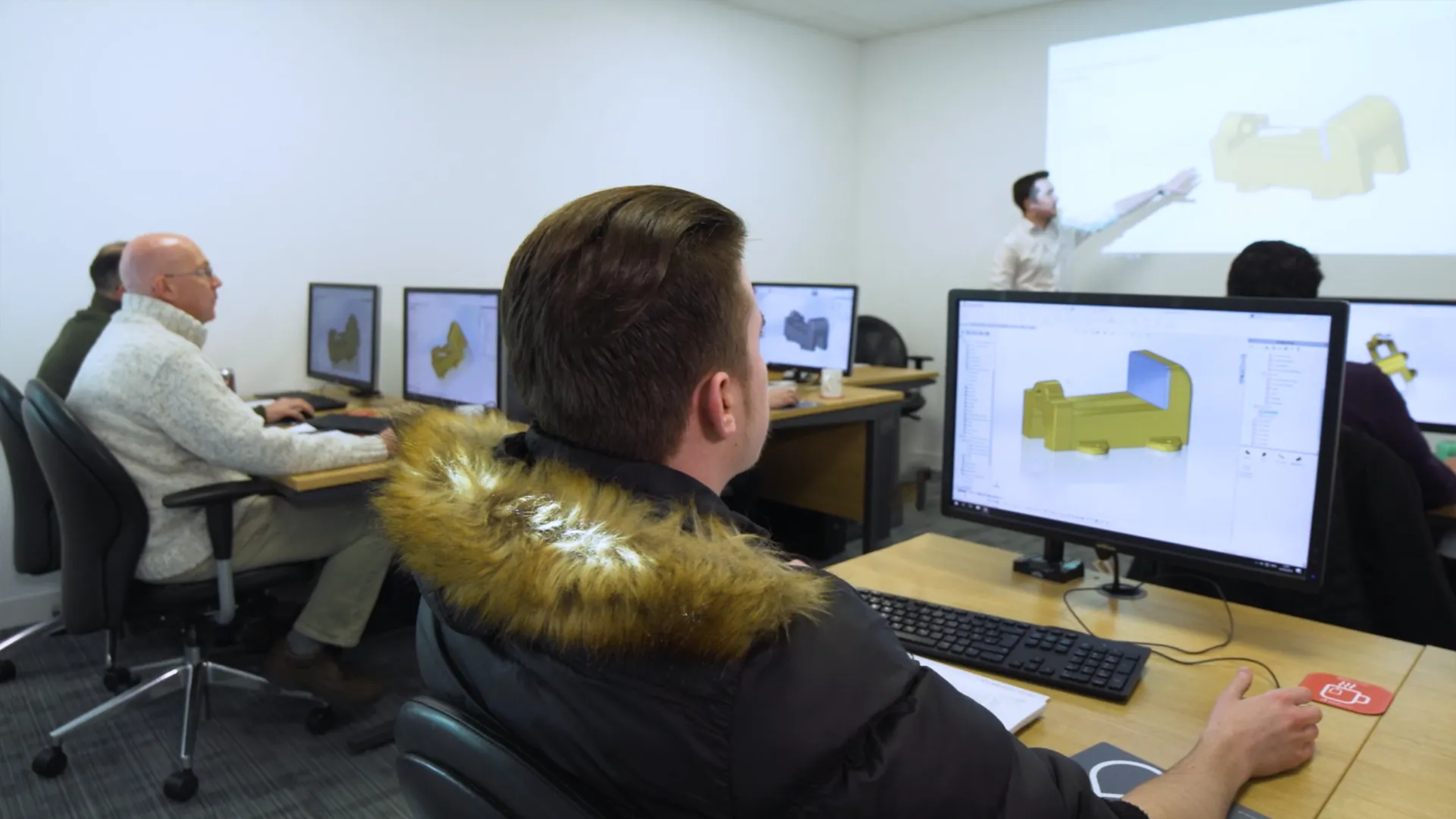
For those who prefer a traditional classroom environment courses can be taken in one of our training locations in the UK and Ireland.
Our virtual courses provide hands-on, live, interactive group training session from a professional, qualified instructor.
Onsite / Bespoke
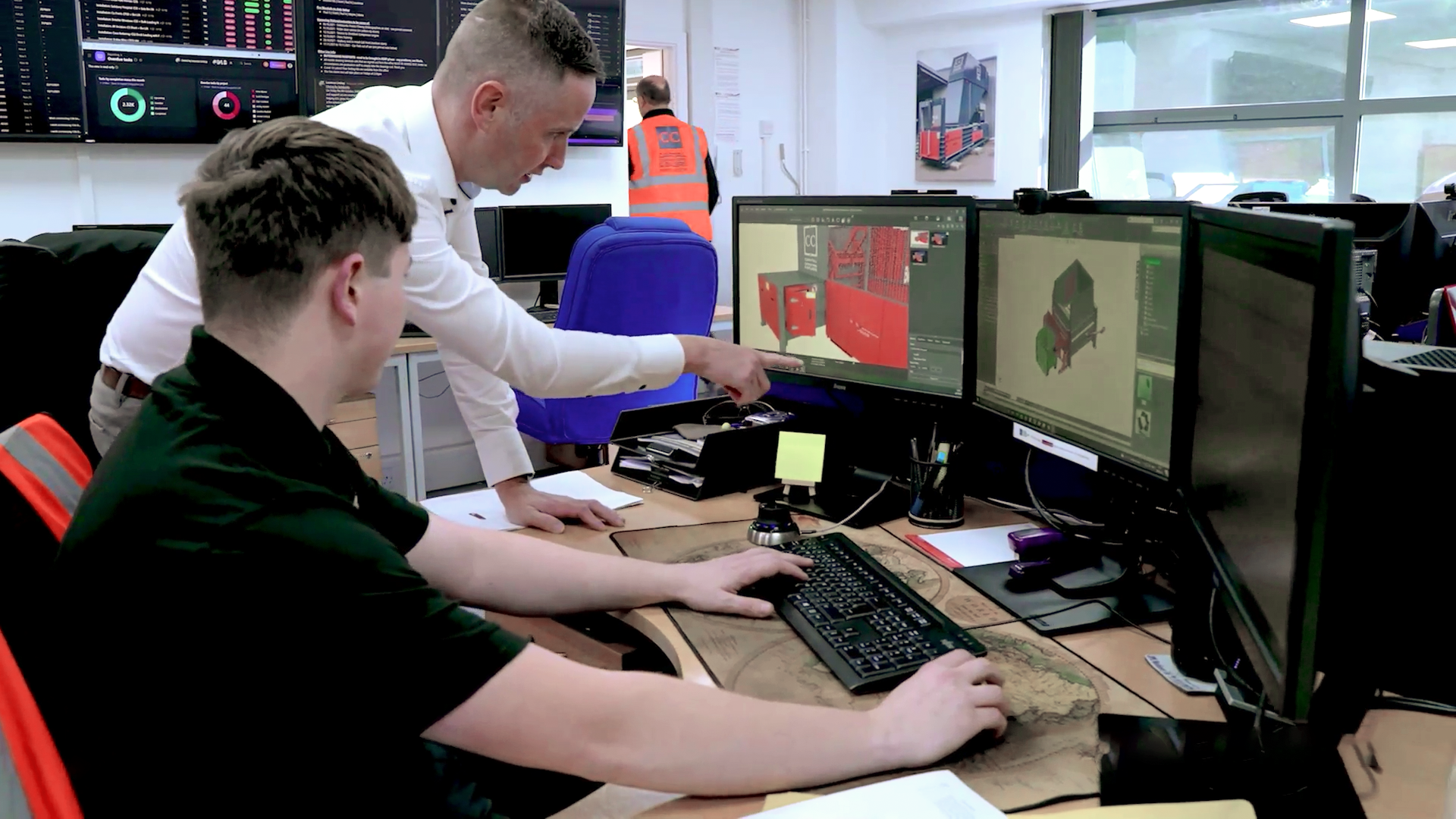
We can arrange onsite training for any of our courses, contact us to discuss further.
Book your course
Click to view upcoming SOLIDWORKS FEA Simulation Training courses, book your place on the course today to save your space. No upfront payment necessary.
Frequently Asked Questions
Accredited
- SOLIDWORKS certified training instructors
- All courses are CPD-accredited for professional development
- Attendees receive certificates for every course
Variety & Frequency
- Courses run every week of the year (1200+ per year)
- 70+ courses, we cover a broad range of topics and software
- Training passport bundles provide amazing value
Convenience
- 22 training venues located across the UK & Ireland
- State-of-the-art Virtual training is available
- We can arrange onsite and bespoke training courses
Quality
- 4.9 Star rating on Feefo for training courses
- Limited class sizes ensure personal attention
- Hands-on format with high-end PCs for every attendee
You can reserve your place on our SOLIDWORKS training courses for free via our course schedule.
Simply find the course you'd like to attend and click 'Book Now' and complete your registration.
If you have already purchased a course or passport then there is nothing else you need to do. If you haven't bought the course yet then your SOLIDWORKS account manager will be in touch to discuss your requirements and arrange payment.
Alternatively you can give us a call on 01926 333777 and book your course today!
Yes! All of our classroom and virtual courses are CPD-accredited, meaning you are guaranteed to progress in your professional development.
A SOLIDWORKS Passport offers you a comprehensive training and development plan in one single purchase.
These Passports allow you to make massive savings on training, compared to purchasing multiple courses one at a time.
Separate Passports are available for SOLIDWORKS CAD & SolidCAM, depending on your design & manufacturing needs.
Each SOLIDWORKS CAD Passport can be purchased in different lengths that are valid for 1, 2, 3 or 5 years. The passport is active from the date of the first course you attend.
We recommend new SOLIDWORKS users start off with SOLIDWORKS Essentials. From there the courses that you benefit you most will depend on your products and workflow.
For most professional SOLIDWORKS users the best courses to take next are: Advanced Part Modelling, Drawings, Advanced Assembly modeling.
We are always happy to discuss your requirements and provide advice on the best training and resources for you. Speak to your account manager, contact us online or get in touch via training@solidsolutions.co.uk.
Every license of SOLIDWORKS on subscription comes with complimentary exam vouchers so you can get certified. Learn more about the series of exams on our dedicated SOLIDWORKS Certifications page.
Book your next course to continue your journey to becoming a certified SOLIDWORKS expert.
We have a variety of classrooms across the UK and Ireland where you can learn SOLIDWORKS. Check out our SOLIDWORKS Training locations here and find a venue near you.
Our virtual classrooms can be accessed by anyone, anywhere. So in the unlikely event that there isn't a classroom nearby, or you'd prefer to attend remotely, You can still attend your chosen training course.
Get in touch with our team as soon as you are able to. Give us a call on 01926 333777 or email training@solidsolutions.co.uk and we can assist you.
Take a look at our Training Course Schedule, as you may be able to rearrange to attend an alternative date for your chosen course.
Our courses offer free cancellation providing the cancellation occurs outside of the fourteen days before the course start date.
Please refer to the Terms & Conditions for full information surrounding cancellations & fees.
Other Training Courses

API Fundamentals Training
This course begins by introducing the Macro Recorder before going on to look at programming system options, document properties and adding customer properties. Upon successful completion of this course, attendees will be able to program part, assembly and drawing automation.
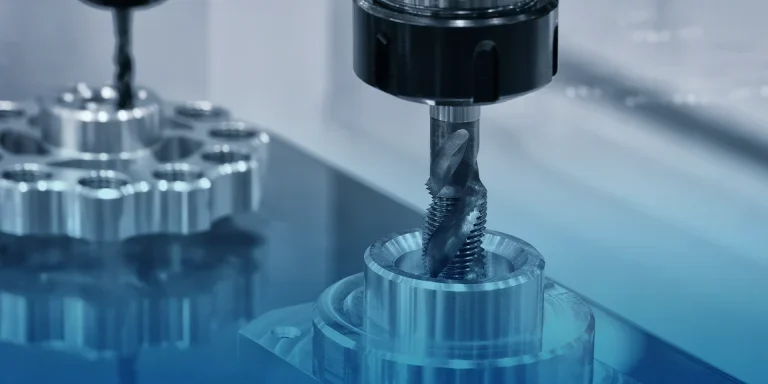
SOLIDWORKS CAM Standard Training
A comprehensive introduction to SOLIDWORKS CAM and the basic principles behind Milling and the Tech DB.

SOLIDWORKS Bespoke Training
Need something a little different? Our SOLIDWORKS bespoke training can build courses to suit the requirements of your teams and industry challenges.
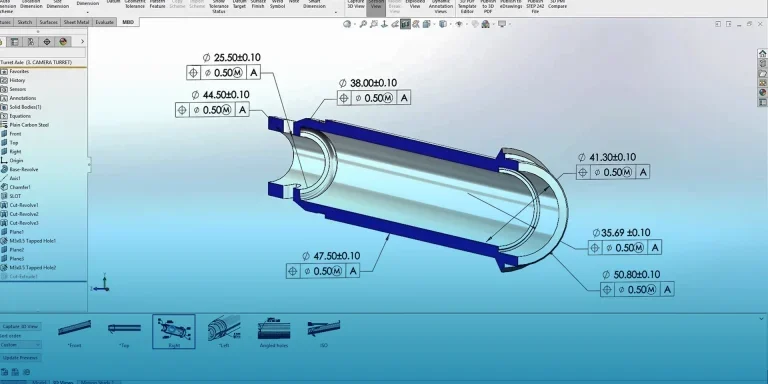
SOLIDWORKS MBD Training
SOLIDWORKS MBD develops your drawingless manufacture skills to produce 3D PDFs and eDrawings files with optimal GD&T presentation.
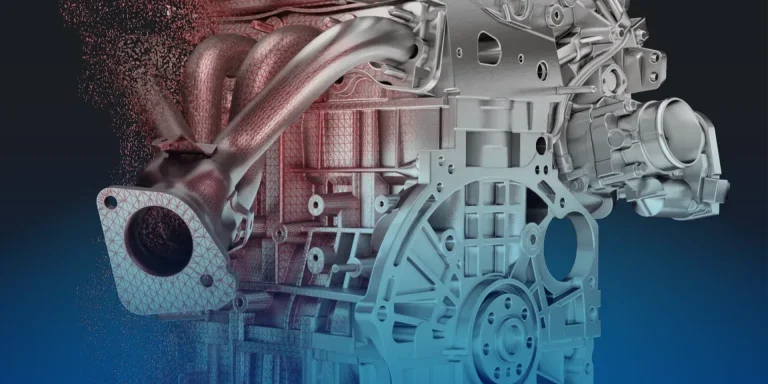
Geomagic Design X Training
The Geomagic Design X Training is recommended for discovering essential techniques to work with scan data to generate 3D models with positive design intent.

DriveWorks Solo Training
This DriveWorks Solo training course gives a hands-on introduction to the creation, administration and running of DriveWorks Solo projects.
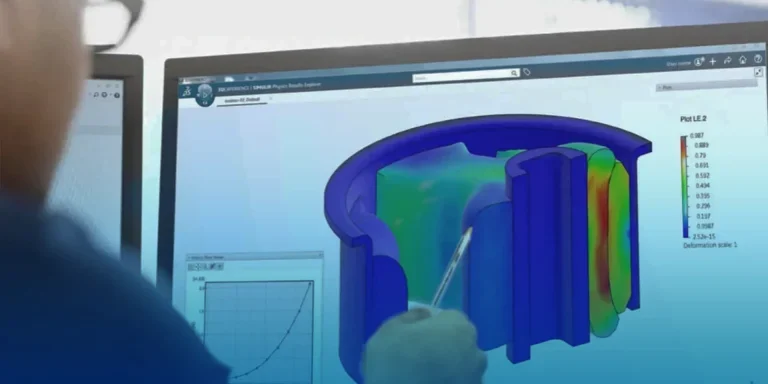
SOLIDWORKS Simulation Fundamentals Training
Our SOLIDWORKS Simulation Fundamentals training is an introduction to statics calculations, Finite Element Analysis and SOLIDWORKS Simulation.
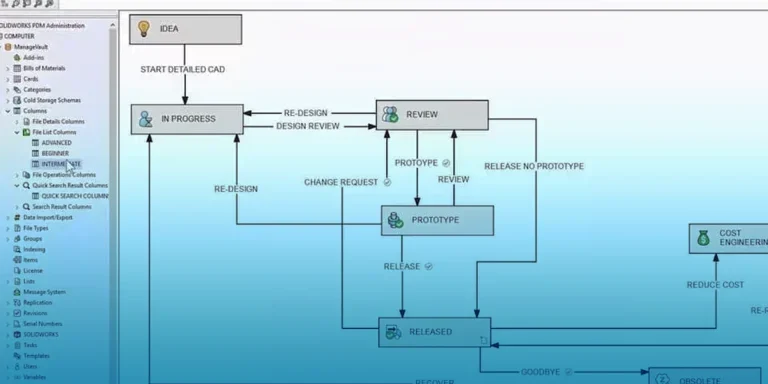
PDM Professional Training
Learn about workflows, variable mapping, and template creation to configure SOLIDWORKS PDM Pro with our PDM Professional training,
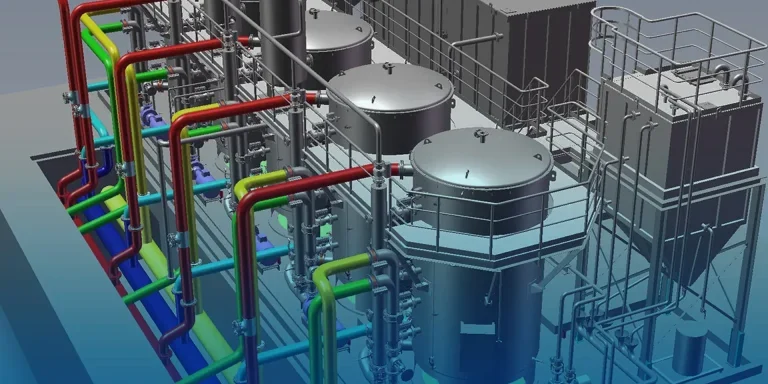
Smap3D Piping Training
In the Smap3D Piping Training course you will learn to create pipework from P&ID files, add equipment, and build routes with minimal effort.

DraftSight Training
A comprehensive introduction to 2D CAD focusing on the basics of model and sheet space, drawings, and geometry manipulation.