




Advanced Simulation & Virtual Testing

Simulation Services

Our dedicated simulation team of chartered engineers helps you solve complex engineering problems, reduce the need for physical prototypes, and cut material costs through high-fidelity virtual testing and design optimisation.

Get Started

Why Use Our Simulation Team?

Virtual testing allows you to explore "what-if" scenarios safely and cost-effectively, ensuring your products are lighter, stronger, and more efficient.

Shorter Time to Market

Identify performance issues earlier in the design cycle to reduce the number of physical prototypes and streamline your testing phase.

Significant Material Savings

Avoid over-engineering by virtually testing multiple iterations to create lighter, more efficient parts that use less material without compromising safety.

Access to Elite Expertise

Our consultancy team is made up of chartered engineers with decades of experience across Formula 1, Aerospace, Automotive, and more.

Solve the "Untestable"

Analyse parameters and environments that are prohibitive, dangerous, or impossible to test physically in the real world.

State-of-the-Art Tools

Benefit from the latest advancements in technology using world-leading software like SIMULIA, MSC Nastran, and SOLIDWORKS Simulation without the upfront software cost.

Unbiased Objective Perspective

Our consultants provide a fresh, expert eye to identify overlooked issues or opportunities for optimisation in your current designs.

Our Simulation Consultancy Services

Our consultancy services are delivered by TriMech Simulation Solutions, part of the same group as Solid Solutions. Explore the services below and click to learn more about each service on the TriMech Simulation website.

Finite Element Analysis (FEA)

Our finite element analysis services will help you to predict and analyse the behavior of your products under various conditions and constraints.

Computational Fluid Dynamics (CFD)

Our CFD services evaluate the complex behaviour of internal and external fluid flows - providing insights into how liquids and gases interact with each other and the structures around them.

Optimisation

Optimisation Services help you create high-performance designs that maximise efficiency and minimise material usage, by leveraging state-of-the-art optimisation tools.

Kinematics and Multibody Dynamics

Our kinematics and MBD services help you predict and optimise the motion, interaction and loading of your mechanical and mechatronic systems.

Human Ergonomic

Human ergonomics is a scientific discipline that studies how humans interact with other elements of a system, surface, environment or product.

Electromagnetic Simulation

Electromagnetic simulation refers to the use of computational techniques to model and analyse the behaviour of electromagnetic fields in various devices, structures, or systems.

Load Development and Correlation

Load development and correlation studies examine the relationship between different variables by looking at how changes in one variable ("load") affect the behaviour of another variable

Blast Analysis Simulation

We offer advanced Blast Analysis Services to help you design structures and systems that can withstand explosive events.

Composite Optimisation

At TriMech Simulation Services, we specialise in composites optimisation, delivering tailored solutions to improve the performance, efficiency, and reliability of composite structures across a range of industries.

Bus Safety Standard Simulation

We are proud to support bus manufacturers, operators, and engineering teams in meeting the evolving requirements of the Bus Safety Standard.

Roll Over Simulation Centre

Delivering predictive simulation for the development of vehicles and structures to meet the various worldwide rollover standards.

Validate Your Design Virtually.

Stop guessing and start knowing. Access world-class simulation expertise for your next project.
Request a Quote
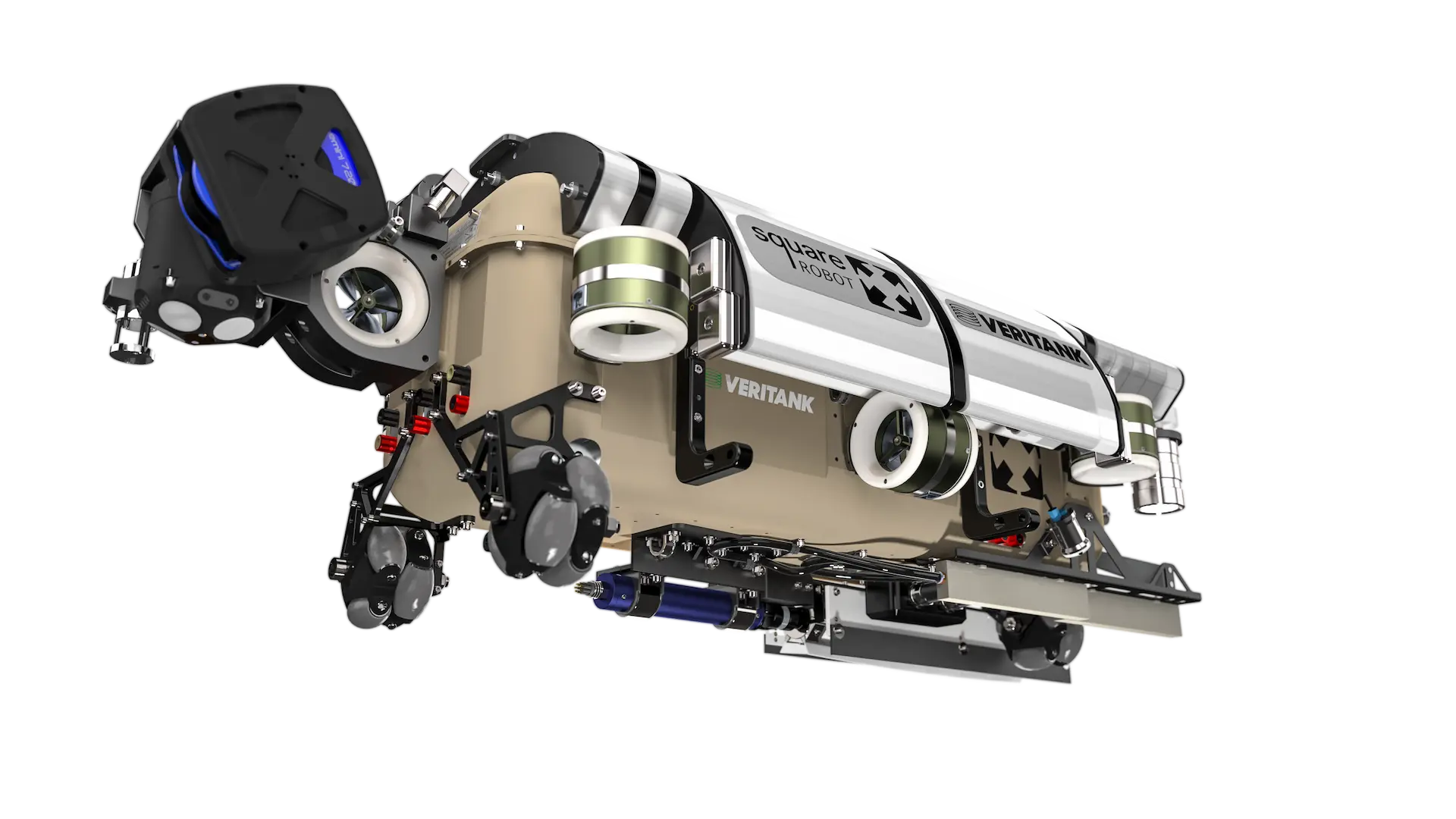
square-robot-solidworks-visualize-render

Frequently Asked Questions

What software does your simulation team use?

We utilise the full, world-leading portfolios from Dassault Systèmes (SOLIDWORKS Simulation, SIMULIA Abaqus) and MSC Software (Nastran, Adams). We also use specialist tools like OptiAssist for composites and RAMSIS for ergonomics to ensure we have the best tool for every specific engineering challenge.

We already have simulation software; why would we use your consultancy?

Many clients use our team to handle peak workloads, tackle highly complex problems that require specialist knowledge (such as non-linear or multi-physics analysis), or to provide a "second opinion" and independent validation of their internal results.

We also offer methods development to help you use your own software more effectively.

Do you provide a report at the end of the project?

Yes. Every consultancy project concludes with a comprehensive technical report detailing the methodology, assumptions, results, and our expert recommendations.

We can also provide the 3D results files and the full simulation data if required for your own records.

Is my data secure and confidential?

Absolutely. We work to the strictest standards of data security and confidentiality—many of our clients operate in highly sensitive sectors like Defence, Aerospace, and Formula 1.

We are happy to sign Non-Disclosure Agreements (NDAs) before discussing project specifics.

How long does a simulation consultancy project typically take?

Timelines vary based on the complexity of the study. A simple structural check might take a few days, while a multi-stage optimisation or fluid flow project could take several weeks.

We provide a clear estimate of timescales as part of our detailed project proposal.

Can you help us with physical testing too?

Our focus is on Virtual Testing. Our goal is to reduce your reliance on physical testing by providing high-fidelity digital results.

However, we often work with clients to help define their physical testing protocols based on what our simulations identify as the most critical areas to monitor.

What is "Design Optimisation" and how is it different from standard FEA?

Standard FEA tells you if a design will work. Design Optimisation (including topology and shape optimisation) uses software algorithms to suggest the most efficient shape for a part based on your performance targets and manufacturing constraints - often resulting in organic shapes that are much lighter than traditionally designed parts.

What information do I need to provide to get a quote?

To provide an accurate estimate, we usually need a description of the problem, the CAD geometry (if available), and the operating conditions (loads, temperatures, pressures, etc.).

Simply contact us, and one of our simulation engineers will guide you through the process.