








SigmaNEST Training

Course Overview
This two day course will begin by introducing new users to the SigmaNEST nesting procedures such as adding materials and costs, basic nest settings and applying numerical control.
Users will look at importing common file formats (DXF, IGES, DWG), using SigmaNEST’s built-in CAD Editor to create and edit parts, along with Standard Shapes to increase productivity.
As the course develops, more advanced nesting options are explored – such as manual nesting, and nesting algorithms. Advanced NC options will be covered to show the machining aspects of SigmaNEST showing how the user can control the cutting order, add crop lines, and automatically create remnants etc.
Customers will compare the advantages of Task Sheets vs Stock Sheets, adding NC at Part Level, and tracking parts using the Work Order system.
The user will leave the course with a full understanding of all areas of the software.
NOTE: This course is not part of the Training Passport scheme.
What You'll Learn
Course Agenda
Lesson 1: Adding Materials, Production Costs & Basic Settings
The first lesson teaches the user to add their own materials and material costs. We will look at the various methods for adding production costs and highlight the more important of the basic settings to allow the user to get the most from SigmaNEST.
Lesson 2: DXF Import
SigmaNEST allows the user to import a variety of file formats. This lesson follows the process of importing DXF files. SigmaNEST has many functions to remove unwanted geometry, repair incorrect geometry, rescale files, and set parameters before importing into SigmaNEST.
Lesson 3: Creating a Nest, Applying NC, Posting a Program
With the addition of materials, production costs and DXF files, this chapter will demonstrate the entire nesting process within SigmaNEST. The user will create their first nest, add machine code (NC) and post the program ready to be cut on the machine. Basic nesting and NC settings will be covered in this lesson.
Lesson 4: Part Parameters, Leadin Table, Grain Constraints
This lesson covers the Part Parameters, Leadin Table and Grain Constraints. These settings can be used to nest the parts exactly as required on the nest. SigmaNEST allows users to set their preferred settings for automated nesting – all options covered in this lesson.
Lesson 5: The CAD Editor & Standard Shapes Library
SigmaNEST has its built-in CAD Editor which allows users to create their own parts. The CAD Editor also allows imported parts to be edited. This lesson will introduce all the important functions of the CAD Editor, with several examples for the user to create. The Standard Shapes Library which contains over 200 pre-defined parts is also covered.
Lesson 6: Sheets List (Optional Module)
The Sheets List is a stock library for all materials the customer owns. This lesson discusses the uses for Task Sheets and Stock Sheets, adding new sheets to the Sheets, and also using the CAD Editor to create offcuts for future nesting.
Lesson 7: Advanced Nesting & Manual Nesting
Following on from lesson 3, this lesson looks at the more advanced functions within SigmaNEST for the nesting of parts. Auto Nest will be explored to automatically nest parts based on the users preferences, and Manual Nest will be covered to ensure the user can nest parts in the required positions.
Lesson 8: Manual NC & Advanced NC
Looks at adding machine code (NC) to the nests, and specifically giving the user full control over the cutting order. Manually adding NC will be covered along with the Auto NC option. Advanced NC options such as Crop Lines, Part Avoidance and Tabbing will be demonstrated.
Lesson 9: Parts Tab & Part Data Fields
The Parts Tab can be used to further control parts. Machine code (NC) can be added at Part Level – this will override any Auto NC or Manual NC settings. The Parts tab allows any parts to be edited – part parameters, geometry changes etc. The Part Data Fields are 18 customisable fields that can be used by the user to store any required information. This information can be used throughout the software.
Lesson 10: Reports
SigmaNEST has many reports built-in and multiple reports are available throughout the various areas of the software. The chapter previews a number of reports in SigmaNEST. All the reports are fully customisable.
Lesson 11: Work Orders (Optional Module)
Work Orders in SigmaNEST allow the user to track parts throughout the system. The user will see how the use of Work Orders can track the parts from initial order, to nesting, to machining. Rejected parts will also be demonstrated to show how these parts are automatically added back into the system for re-nesting.
What do our customers say?
We use Feefo (the global feedback engine) to gather anonymous but certified genuine reviews from our customers. We continually use customer feedback to improve the service that we offer to our customers and to motivate our team.
Click the Feefo button below to read the latest reviews for this course.
Training Booking Process
How to book a course?
Training Methods

Self-Paced
Student, job-seeker, or working professional? Our SOLIDWORKS self-paced training essentials course gives you the flexibility to learn when and where you want.
In-Classroom / Virtual
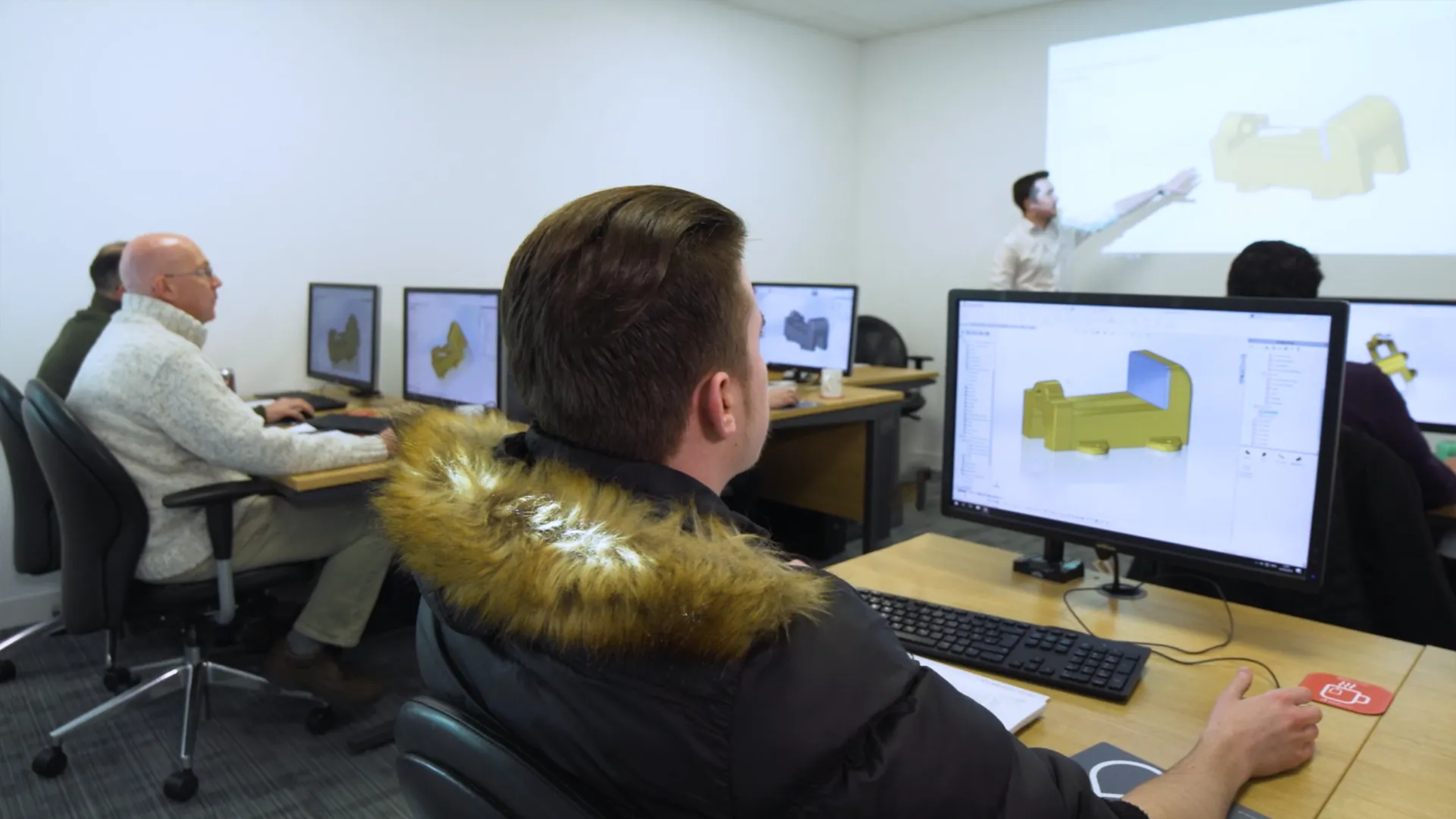
For those who prefer a traditional classroom environment courses can be taken in one of our training locations in the UK and Ireland.
Our virtual courses provide hands-on, live, interactive group training session from a professional, qualified instructor.
Onsite / Bespoke
We can arrange onsite training for any of our courses, contact us to discuss further.
Book your course
Click to view upcoming SigmaNEST Training courses, book your place on the course today to save your space. No upfront payment necessary.
Frequently Asked Questions
Accredited
- SOLIDWORKS certified training instructors
- All courses are CPD-accredited for professional development
- Attendees receive certificates for every course
Variety & Frequency
- Courses run every week of the year (1200+ per year)
- 70+ courses, we cover a broad range of topics and software
- Training passport bundles provide amazing value
Convenience
- 22 training venues located across the UK & Ireland
- State-of-the-art Virtual training is available
- We can arrange onsite and bespoke training courses
Quality
- 4.9 Star rating on Feefo for training courses
- Limited class sizes ensure personal attention
- Hands-on format with high-end PCs for every attendee
You can reserve your place on our SOLIDWORKS training courses for free via our course schedule.
Simply find the course you'd like to attend and click 'Book Now' and complete your registration.
If you have already purchased a course or passport then there is nothing else you need to do. If you haven't bought the course yet then your SOLIDWORKS account manager will be in touch to discuss your requirements and arrange payment.
Alternatively you can give us a call on 01926 333777 and book your course today!
Yes! All of our classroom and virtual courses are CPD-accredited, meaning you are guaranteed to progress in your professional development.
A SOLIDWORKS Passport offers you a comprehensive training and development plan in one single purchase.
These Passports allow you to make massive savings on training, compared to purchasing multiple courses one at a time.
Separate Passports are available for SOLIDWORKS CAD & SolidCAM, depending on your design & manufacturing needs.
Each SOLIDWORKS CAD Passport can be purchased in different lengths that are valid for 1, 2, 3 or 5 years. The passport is active from the date of the first course you attend.
We recommend new SOLIDWORKS users start off with SOLIDWORKS Essentials. From there the courses that you benefit you most will depend on your products and workflow.
For most professional SOLIDWORKS users the best courses to take next are: Advanced Part Modelling, Drawings, Advanced Assembly modeling.
We are always happy to discuss your requirements and provide advice on the best training and resources for you. Speak to your account manager, contact us online or get in touch via training@solidsolutions.co.uk.
Every license of SOLIDWORKS on subscription comes with complimentary exam vouchers so you can get certified. Learn more about the series of exams on our dedicated SOLIDWORKS Certifications page.
Book your next course to continue your journey to becoming a certified SOLIDWORKS expert.
We have a variety of classrooms across the UK and Ireland where you can learn SOLIDWORKS. Check out our SOLIDWORKS Training locations here and find a venue near you.
Our virtual classrooms can be accessed by anyone, anywhere. So in the unlikely event that there isn't a classroom nearby, or you'd prefer to attend remotely, You can still attend your chosen training course.
Get in touch with our team as soon as you are able to. Give us a call on 01926 333777 or email training@solidsolutions.co.uk and we can assist you.
Take a look at our Training Course Schedule, as you may be able to rearrange to attend an alternative date for your chosen course.
Our courses offer free cancellation providing the cancellation occurs outside of the fourteen days before the course start date.
Please refer to the Terms & Conditions for full information surrounding cancellations & fees.
Other Training Courses

SOLIDWORKS PDM Standard Training
The SOLIDWORKS PDM Standard training content is aimed at the system administrator, and will cover the capabilities of the PDM Standard system.
SolidCAM Advanced Mill-Turn Training
Discover more complex techniques involved with turning and further your knowledge of SolidCAM.

API Advanced Training
Recommend API Advanced Training Course to covers advanced topics using VB.Net to customise the SOLIDWORKS User Interface and adding notifications.
SWOOD Design User Training
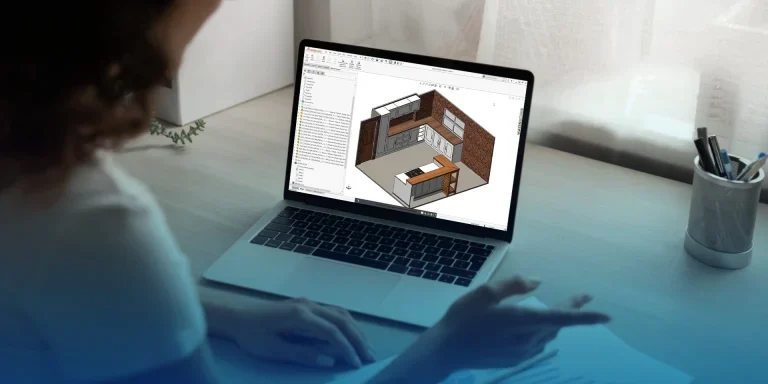
Our SWOOD Design User Training will teach you how to develop parametric furniture and joinery designs both quickly and at scale.
SOLIDWORKS CAM Standard Training
A comprehensive introduction to SOLIDWORKS CAM and the basic principles behind Milling and the Tech DB.
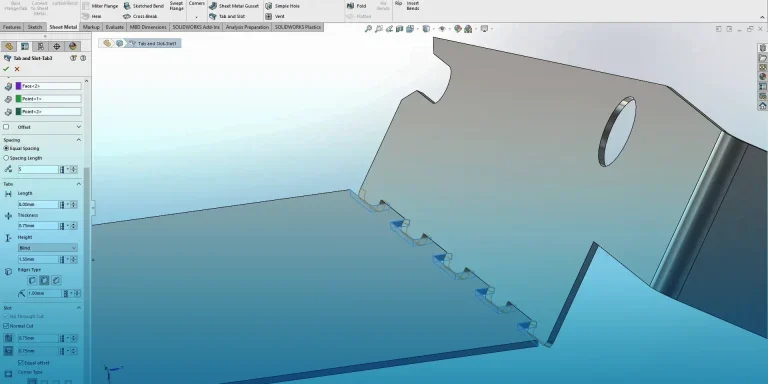
SOLIDWORKS Sheet Metal Training
This SOLIDWORKS Sheet Metal training course teaches you how to use specific sheet metal commands such as edge and mitre flanges, hems and jogs.
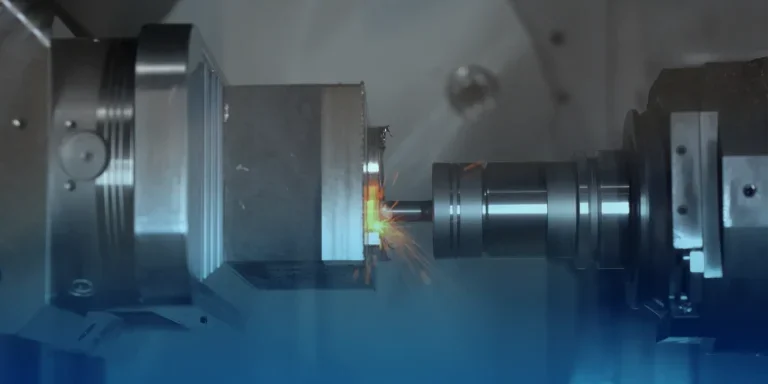
CAMWorks Mill-Turn Training
Learn how to setup and use features for a mill-turn setup and combine milling and turning within CAMWorks.
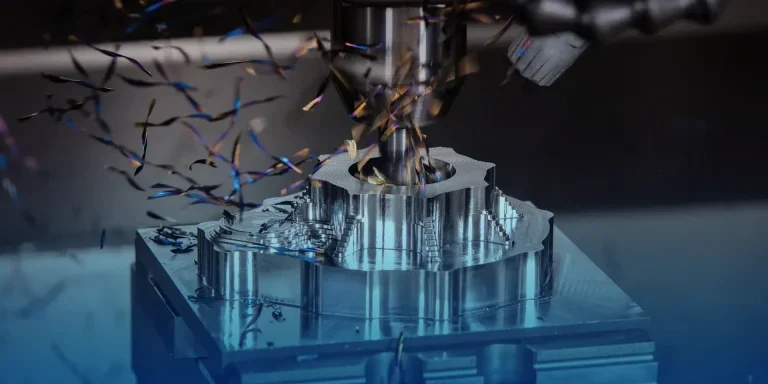
SolidCAM High Speed Surfacing Training
The SolidCAM HSS High Speed Surfacing training develops on the SolidCAM module HSR/HSM basics to add further control of your programming.
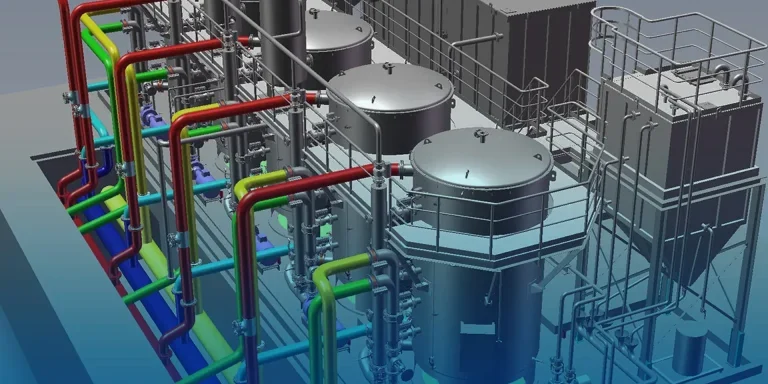
Smap3D Piping Training
In the Smap3D Piping Training course you will learn to create pipework from P&ID files, add equipment, and build routes with minimal effort.

EMS / HFWorks for SOLIDWORKS Training
The EMS / HFWorks for SOLIDWORKS training course is recommended to learn how to use the Magnetic & Electric Field Modelling and Simulation tools and interpret results.