





SOLIDWORKS Simulation Fundamentals Training
Our SOLIDWORKS Simulation Fundamentals training is an introduction to statics calculations, Finite Element Analysis and SOLIDWORKS Simulation.

Course Overview
This course is designed for those less familiar with the broader concepts of stress analysis and is divided into three main sections. Attendees will be introduced to the engineering terminology associated with stress analysis and how those concepts relate to each other. Hand calculated examples will be used to reinforce these principles.
The course will then move on to explain the background of Finite Element Analysis (FEA) using the Simulation Xpress module found in SOLIDWORKS Standard. Using this functionality and learning how to interpret the results obtained will close this section.
Finally, the class will be introduced to the capabilities offered by the further simulation products that are available to our customers. This will give users an understanding of how the available functionality relates to the real life failure modes that our simulations are trying to anticipate. To finish the course general advice for preparing CAD modelling in preparation for simulation is given.
NOTE: This course is available as part of the Silver, Gold & Platinum Training Passports.
What You'll Learn
Course Agenda
Lesson 1: Fundamental Definitions
This lesson introduces definitions of various engineering terms: force, pressure, moments/torque, deflection/displacement, stress, and strain. The concept of number notation will also be introduced. Knowing the definitions, attendees will consolidate their knowledge by using equations containing these terms in worked examples.
Lesson 2: Material Definitions
Users will be introduced to the various parameters associated with common materials and understand how these properties relate to each other. The lesson will then focus on the material properties required by SOLIDWORKS in order to successfully solve a simulation. The attendees will then create custom materials that will be used throughout the rest of the course.
Lesson 3: What is Finite Element Analysis?
Upon successful completion of this lesson, attendees will understand the principles behind Finite Element Analysis (FEA). They will understand key pieces of terminology and appreciate the assumptions made when carrying out any form of simulation. Attendees will setup and run their first Simulation Xpress Study and the results will be interrogated before being presented in a report.
Lesson 4: Making sense of Stress results
Using SOLIDWORKS Simulation Xpress, attendees will become familiar with the different types of results that are available when performing stress analysis. The attendees will be introduced to the concept of stress concentrations and taught how to accurately simulate them. Additional information is given about typical problems that can occur.
Lesson 5: Other Considerations
This lesson shows the additional capabilities found in the further SOLIDWORKS Simulation products – SOLIDWORKS Simulation Standard, Professional and Premium. This will also be an introduction to some of the other types of failure that designs can be susceptible to.
Lesson 6: Recommendations
This is the final chapter of this course and it offers general advice in relation to model preparation. In many cases, simple changes can be made to aid the Simulation; this lesson advises attendees when this would be appropriate. In the last section of this lesson, you will be shown how to use your Simulation Xpress results to optimise the design of your parts using a Design Xpress optimisation study.
What do our customers say?
We use Feefo (the global feedback engine) to gather anonymous but certified genuine reviews from our customers. We continually use customer feedback to improve the service that we offer to our customers and to motivate our team.
Click the Feefo button below to read the latest reviews for this course.
Training Booking Process
How to book a course?
Training Methods

Self-Paced
Student, job-seeker, or working professional? Our SOLIDWORKS self-paced training essentials course gives you the flexibility to learn when and where you want.
In-Classroom / Virtual
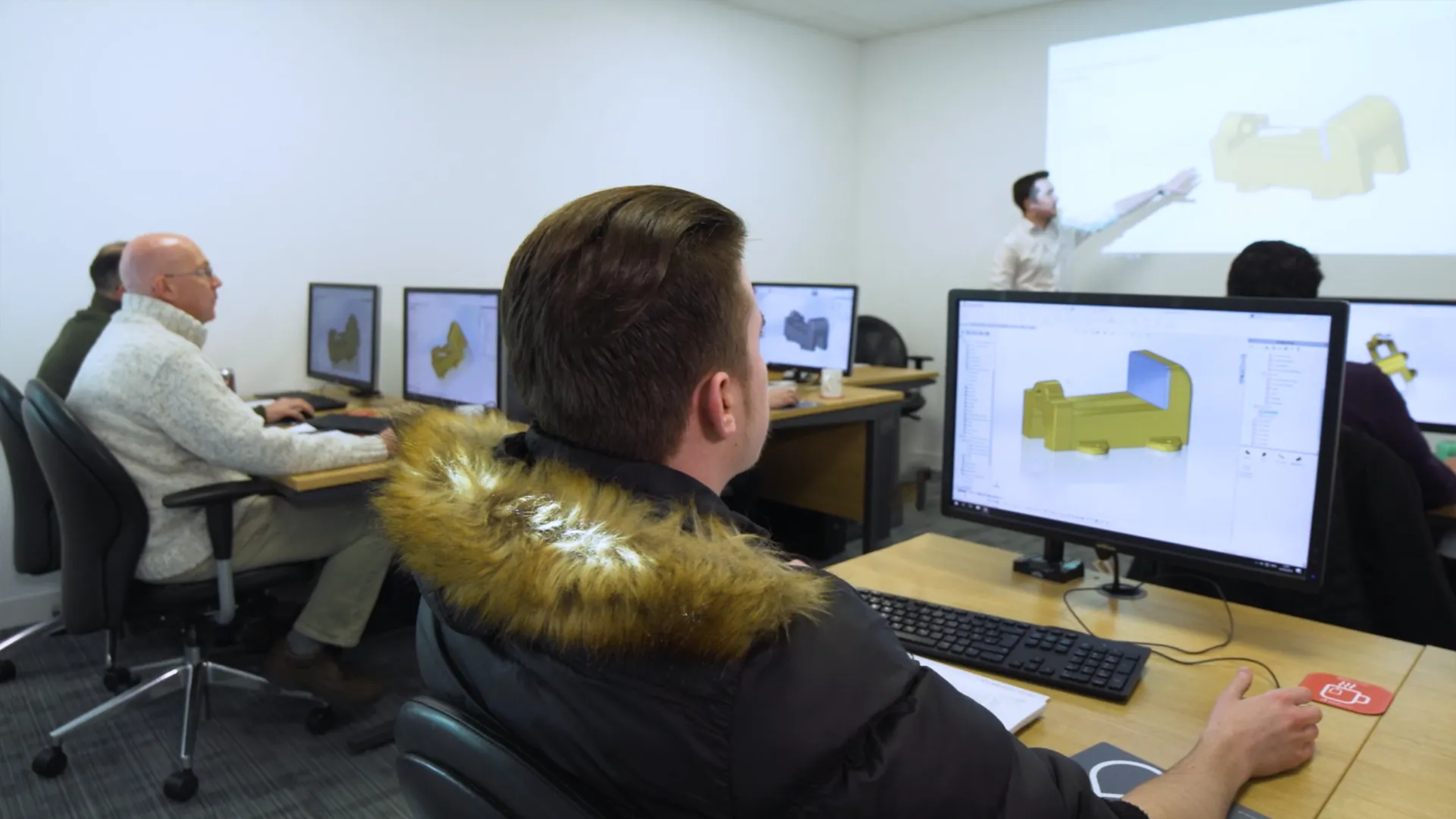
For those who prefer a traditional classroom environment courses can be taken in one of our training locations in the UK and Ireland.
Our virtual courses provide hands-on, live, interactive group training session from a professional, qualified instructor.
Onsite / Bespoke
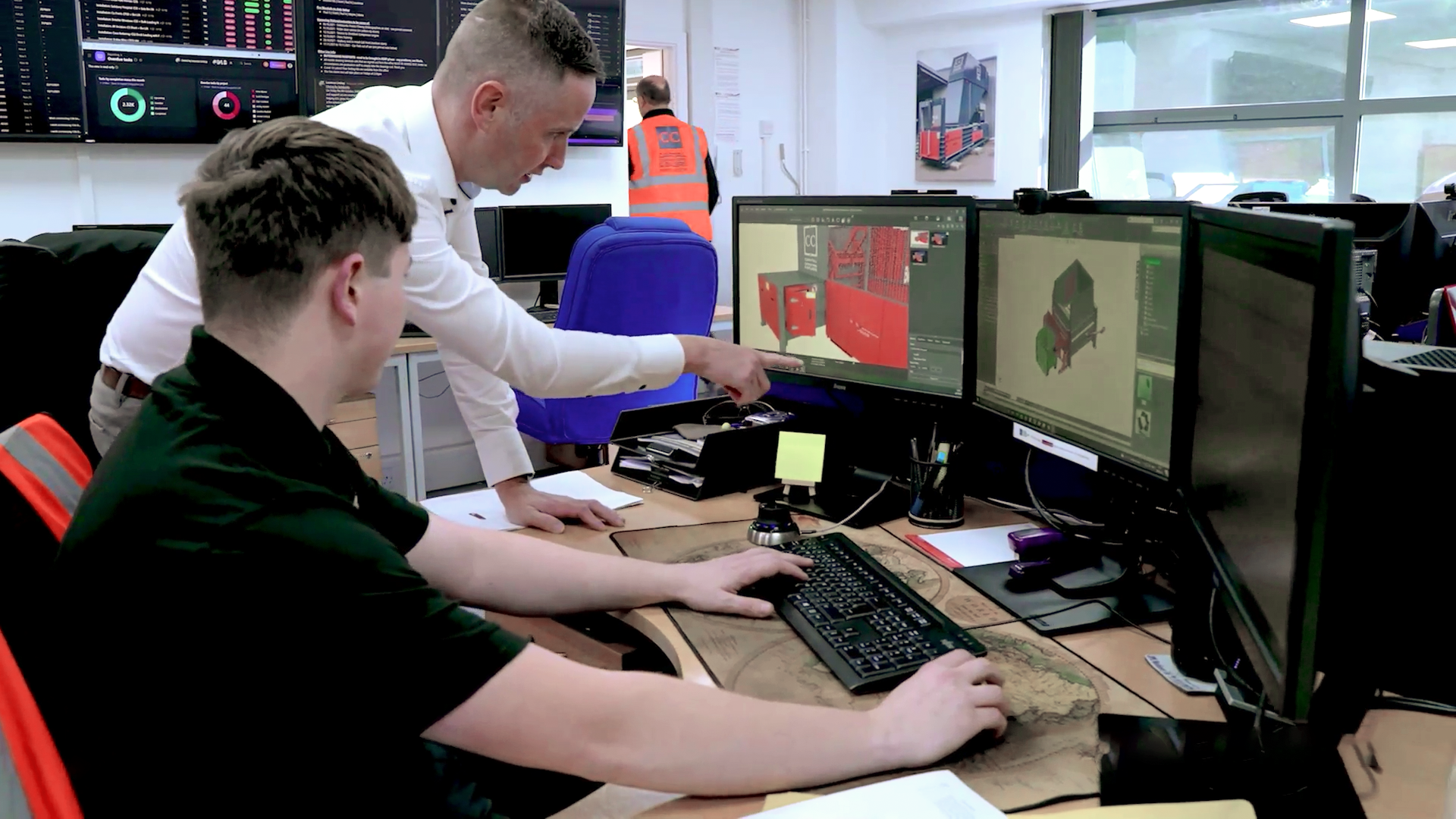
We can arrange onsite training for any of our courses, contact us to discuss further.
Book your course
Click to view upcoming SOLIDWORKS Simulation Fundamentals Training courses, book your place on the course today to save your space. No upfront payment necessary.
Frequently Asked Questions
Accredited
- SOLIDWORKS certified training instructors
- All courses are CPD-accredited for professional development
- Attendees receive certificates for every course
Variety & Frequency
- Courses run every week of the year (1200+ per year)
- 70+ courses, we cover a broad range of topics and software
- Training passport bundles provide amazing value
Convenience
- 22 training venues located across the UK & Ireland
- State-of-the-art Virtual training is available
- We can arrange onsite and bespoke training courses
Quality
- 4.9 Star rating on Feefo for training courses
- Limited class sizes ensure personal attention
- Hands-on format with high-end PCs for every attendee
You can reserve your place on our SOLIDWORKS training courses for free via our course schedule.
Simply find the course you'd like to attend and click 'Book Now' and complete your registration.
If you have already purchased a course or passport then there is nothing else you need to do. If you haven't bought the course yet then your SOLIDWORKS account manager will be in touch to discuss your requirements and arrange payment.
Alternatively you can give us a call on 01926 333777 and book your course today!
Yes! All of our classroom and virtual courses are CPD-accredited, meaning you are guaranteed to progress in your professional development.
A SOLIDWORKS Passport offers you a comprehensive training and development plan in one single purchase.
These Passports allow you to make massive savings on training, compared to purchasing multiple courses one at a time.
Separate Passports are available for SOLIDWORKS CAD & SolidCAM, depending on your design & manufacturing needs.
Each SOLIDWORKS CAD Passport can be purchased in different lengths that are valid for 1, 2, 3 or 5 years. The passport is active from the date of the first course you attend.
We recommend new SOLIDWORKS users start off with SOLIDWORKS Essentials. From there the courses that you benefit you most will depend on your products and workflow.
For most professional SOLIDWORKS users the best courses to take next are: Advanced Part Modelling, Drawings, Advanced Assembly modeling.
We are always happy to discuss your requirements and provide advice on the best training and resources for you. Speak to your account manager, contact us online or get in touch via training@solidsolutions.co.uk.
Every license of SOLIDWORKS on subscription comes with complimentary exam vouchers so you can get certified. Learn more about the series of exams on our dedicated SOLIDWORKS Certifications page.
Book your next course to continue your journey to becoming a certified SOLIDWORKS expert.
We have a variety of classrooms across the UK and Ireland where you can learn SOLIDWORKS. Check out our SOLIDWORKS Training locations here and find a venue near you.
Our virtual classrooms can be accessed by anyone, anywhere. So in the unlikely event that there isn't a classroom nearby, or you'd prefer to attend remotely, You can still attend your chosen training course.
Get in touch with our team as soon as you are able to. Give us a call on 01926 333777 or email training@solidsolutions.co.uk and we can assist you.
Take a look at our Training Course Schedule, as you may be able to rearrange to attend an alternative date for your chosen course.
Our courses offer free cancellation providing the cancellation occurs outside of the fourteen days before the course start date.
Please refer to the Terms & Conditions for full information surrounding cancellations & fees.
Other Training Courses
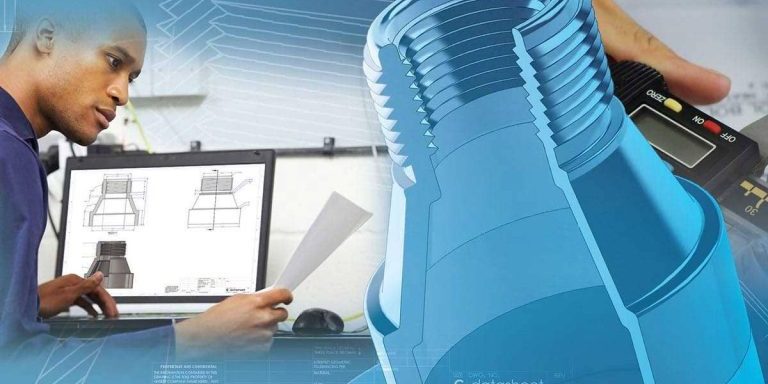
SOLIDWORKS Inspection Training
Learn how to automate the creation of ballooned drawings and inspection reports with SOLIDWORKS Inspection.
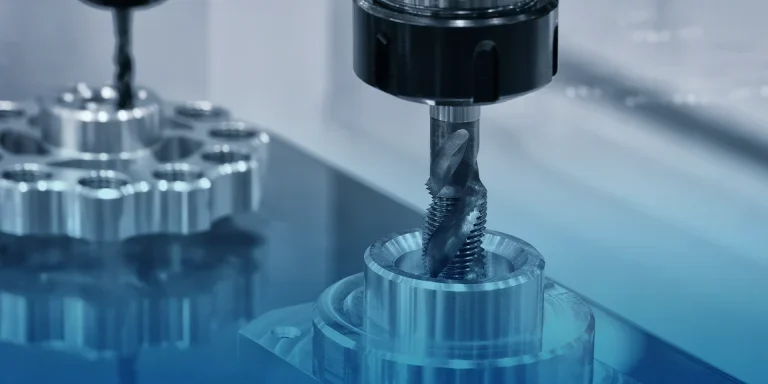
SOLIDWORKS CAM Standard Training
A comprehensive introduction to SOLIDWORKS CAM and the basic principles behind Milling and the Tech DB.
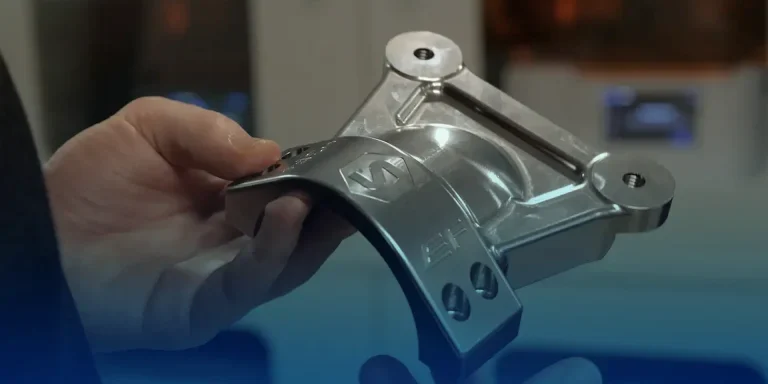
SolidCAM iMachining Training
Learn the basics of the SolidCAM iMachining module and program manufacturing processes.

SOLIDWORKS Electrical Routing Training
This SOLIDWORKS Electrical Routing training course explores the process of building component libraries and create parts lists and wiring diagrams for assembly and manufacture.
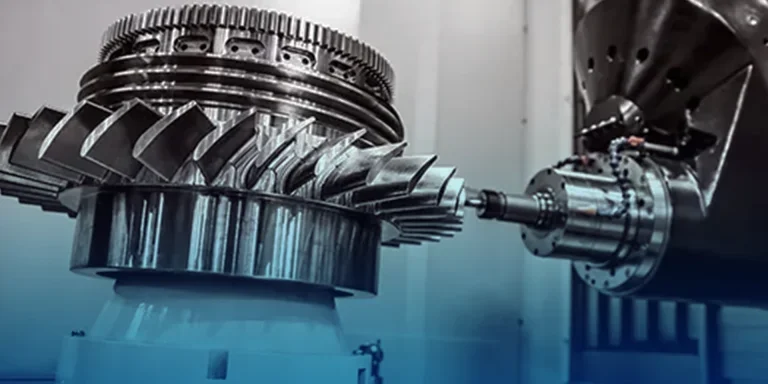
CAD Essentials for CAM Users Training
This CAD Essentials for CAM Users training course teaches you exactly the skills you need to use CAM software effectively.
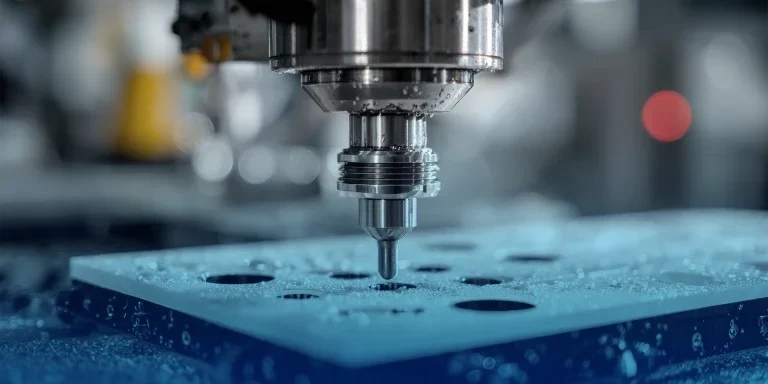
CAMWorks 4 & 5 Axis Training
Building on the CAMWorks courses, we’ll introduce you to techniques used in simultaneous 5 axis machining.

API Advanced Training
Recommend API Advanced Training Course to covers advanced topics using VB.Net to customise the SOLIDWORKS User Interface and adding notifications.
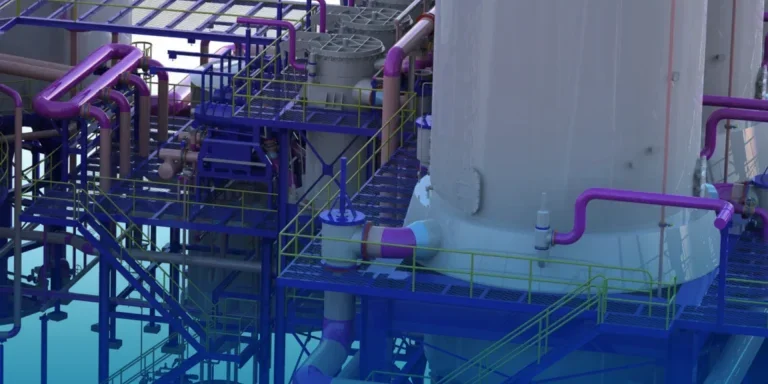
SOLIDWORKS Pipe & Tube Routing Training
SOLIDWORKS Pipe & Tube Routing training is designed to discover methods for rapidly routing pipes and tubing with the SOLIDWORKS Routing add-in.

DriveWorks Solo Training
This DriveWorks Solo training course gives a hands-on introduction to the creation, administration and running of DriveWorks Solo projects.

SOLIDWORKS for Educators Part 2 Training
Advancing the confidence and skills of educators for more complex design challenges with the SOLIDWORKS for Educators Part 2 Training.