








SOLIDWORKS Composer Training
The SOLIDWORKS Composer training teaches you how to create high quality vector images, animated assembly sequences, and fully interactive documents.
Course Overview
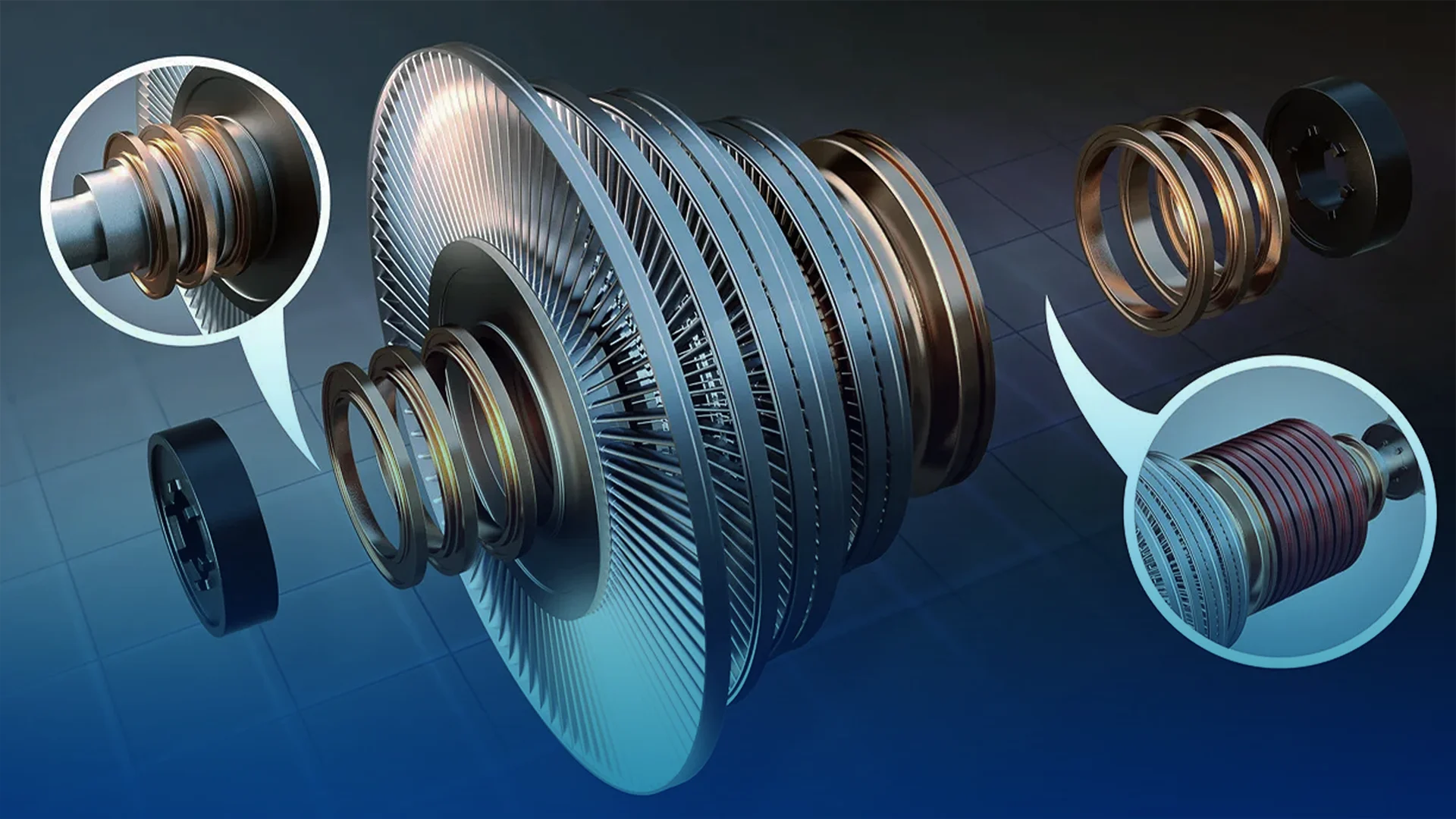
SOLIDWORKS Composer enables you to create technical publications that stay parametric with your SOLIDWORKS CAD designs. This means you can begin the creation of technical publications in parallel with the CAD designs rather than afterwards to dramatically streamline your processes.
Over two days, learn how to create high quality vector output images, animate assembly sequences and create fully interactive documents amongst many other commands.
NOTE: This course is available as part of the Gold & Platinum Training Passports.
What You'll Learn
Course Agenda
Lesson 1: Introducing Composer
In the first lesson the user will be introduced to opening files within SOLIDWORKS Composer, some terminology of the software as well as how to identify the principle components of the User Interface. The user will learn how to control preferences and document properties within the software as well as how to create an image file.
Lesson 2: Views
In this lesson the user will learn how to create different snapshots of their design with scene changes, different render modes, environmental effects and ground controls all reviewed to get the right ‘look’ for their designs.
Lesson 3: Transform & Explode
Lesson 3 introduces how to move parts with both basic transform and explode tools as well as how to create custom views utilising group tools such as selection sets and assembly selection mode. It then reviews how to add a first collaborative actor to show where the parts have come from using path or explode lines.
Lesson 4: Collaborative Actors & Styles
Lesson 4 will show the user how to mark up a view with notes, 2D images, detail views, arrows and callouts. It will also go over how to make these neater using magnetic lines and how to utilise styles to reduce workload and get good consistency between views and projects.
Lesson 5: Meta-properties & BOMS
Lesson 5 will introduce the user on how we can add additional property information on to the actors that can then be used in both notes and Bill of Materials. They will learn how to create different BOMs in different views from scratch and customise their look.
Lesson 6: Importing/Updating CAD
Lesson 6 will cover what we need to think about before importing models into Composer and the settings to correctly get the model into the Composer Document. After creating a couple of views within Composer, the model will then be updated from CAD to bring through revision changes.
Lesson 7: Static 2D Outputs
In this lesson the user will learn what the differences are between raster and vector images and how to export both using the High Resolution Workshop and the Technical Illustration Workshop.
Lesson 8: Linking Technical Illustration
Lesson 8 returns to the Technical Illustration Workshop outputs learned in lesson 7 but covers how these outputs can be linked together using hotspots and links to create interactive content that can be easily shared on a website.
Lesson 9: Animations
The final chapter will introduce the different methods of getting an animation both to show how a model is assembled but also how the design will work.
What do our customers say?
We use Feefo (the global feedback engine) to gather anonymous but certified genuine reviews from our customers. We continually use customer feedback to improve the service that we offer to our customers and to motivate our team.
Click the Feefo button below to read the latest reviews for this course.
Training Booking Process
How to book a course?
Training Methods

Self-Paced
Student, job-seeker, or working professional? Our SOLIDWORKS self-paced training essentials course gives you the flexibility to learn when and where you want.
In-Classroom / Virtual
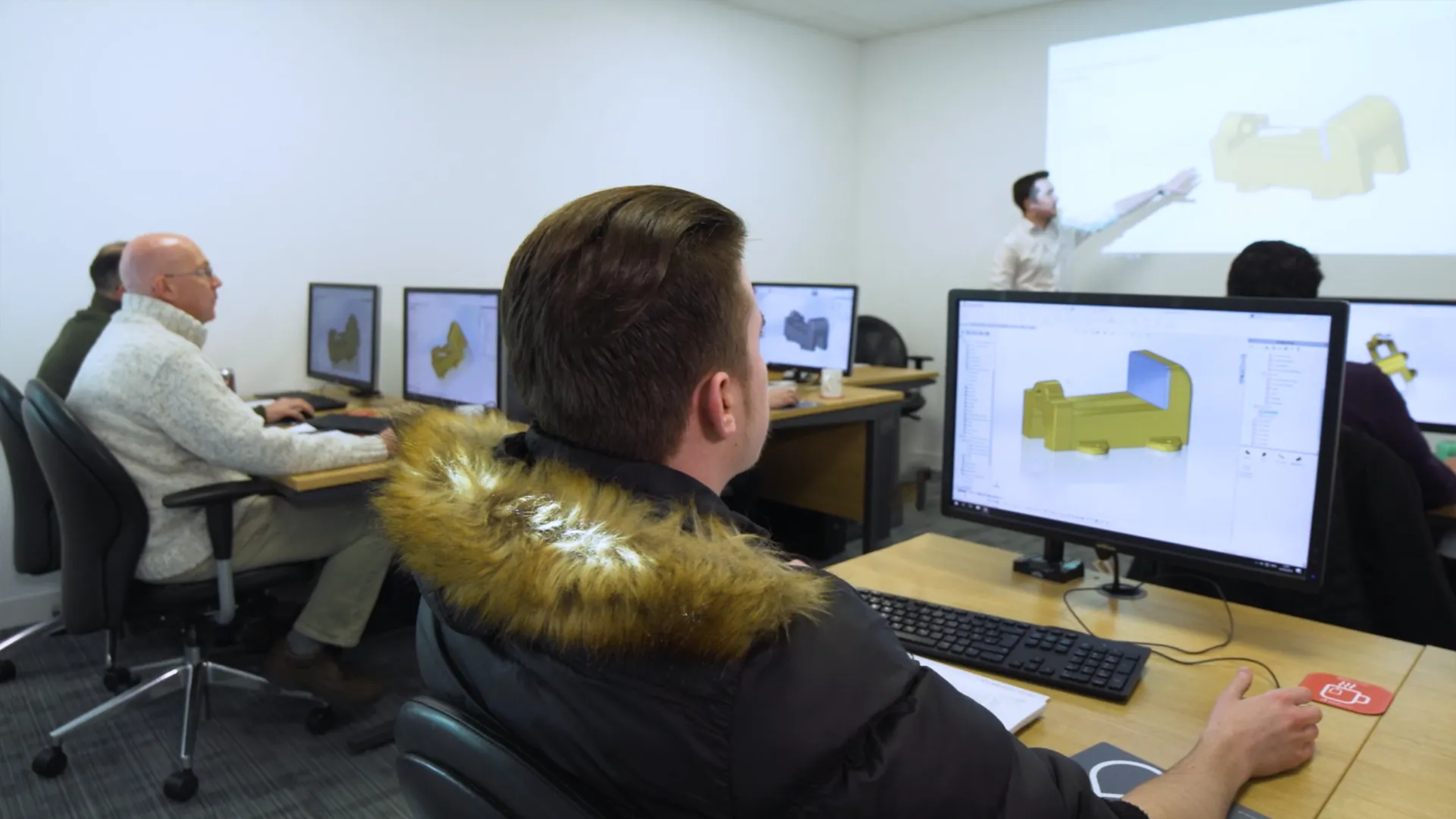
For those who prefer a traditional classroom environment courses can be taken in one of our training locations in the UK and Ireland.
Our virtual courses provide hands-on, live, interactive group training session from a professional, qualified instructor.
Onsite / Bespoke
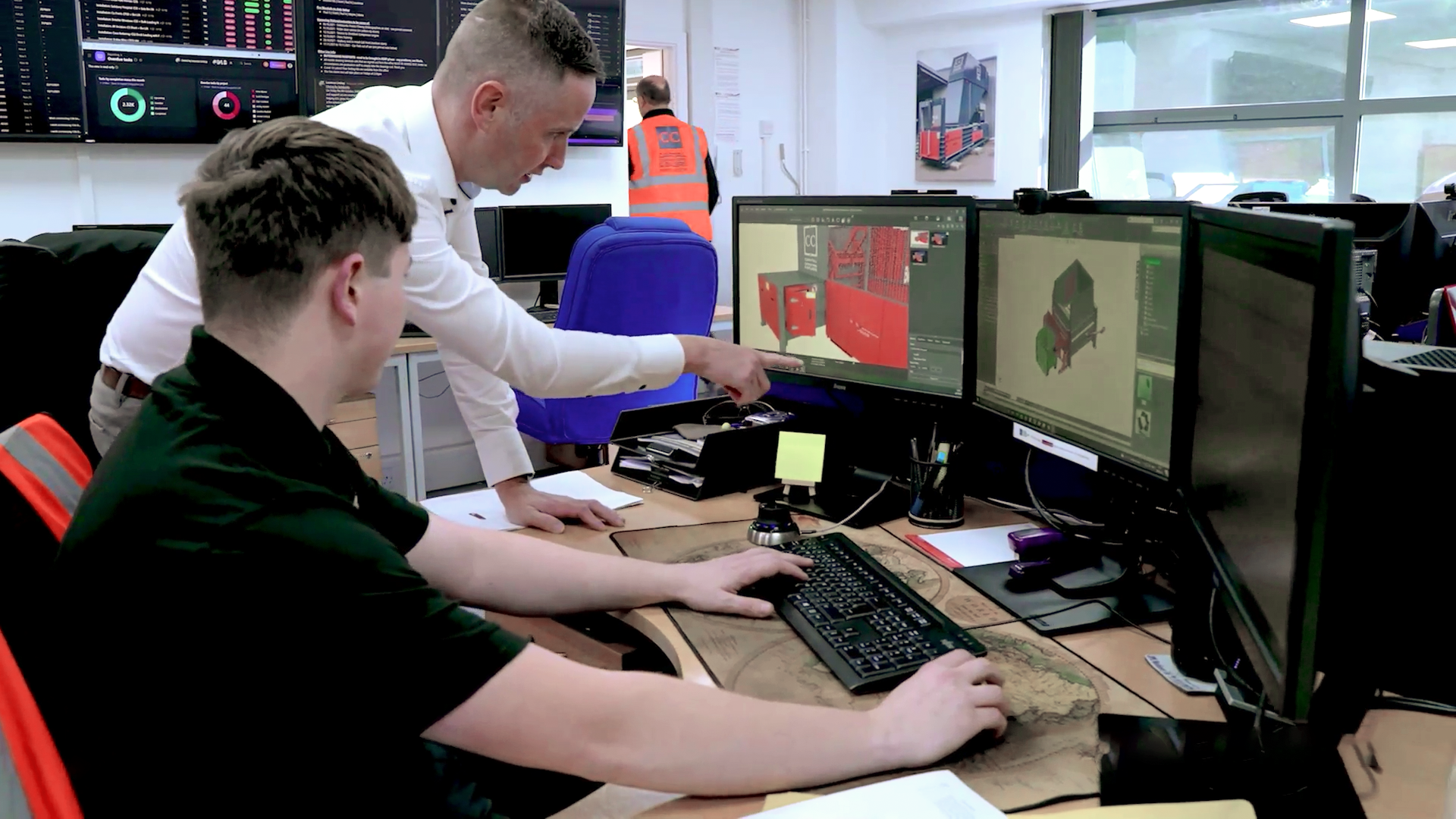
We can arrange onsite training for any of our courses, contact us to discuss further.
Book your course
Click to view upcoming SOLIDWORKS Composer Training courses, book your place on the course today to save your space. No upfront payment necessary.
Frequently Asked Questions
Accredited
- SOLIDWORKS certified training instructors
- All courses are CPD-accredited for professional development
- Attendees receive certificates for every course
Variety & Frequency
- Courses run every week of the year (1200+ per year)
- 70+ courses, we cover a broad range of topics and software
- Training passport bundles provide amazing value
Convenience
- 22 training venues located across the UK & Ireland
- State-of-the-art Virtual training is available
- We can arrange onsite and bespoke training courses
Quality
- 4.9 Star rating on Feefo for training courses
- Limited class sizes ensure personal attention
- Hands-on format with high-end PCs for every attendee
You can reserve your place on our SOLIDWORKS training courses for free via our course schedule.
Simply find the course you'd like to attend and click 'Book Now' and complete your registration.
If you have already purchased a course or passport then there is nothing else you need to do. If you haven't bought the course yet then your SOLIDWORKS account manager will be in touch to discuss your requirements and arrange payment.
Alternatively you can give us a call on 01926 333777 and book your course today!
Yes! All of our classroom and virtual courses are CPD-accredited, meaning you are guaranteed to progress in your professional development.
A SOLIDWORKS Passport offers you a comprehensive training and development plan in one single purchase.
These Passports allow you to make massive savings on training, compared to purchasing multiple courses one at a time.
Separate Passports are available for SOLIDWORKS CAD & SolidCAM, depending on your design & manufacturing needs.
Each SOLIDWORKS CAD Passport can be purchased in different lengths that are valid for 1, 2, 3 or 5 years. The passport is active from the date of the first course you attend.
We recommend new SOLIDWORKS users start off with SOLIDWORKS Essentials. From there the courses that you benefit you most will depend on your products and workflow.
For most professional SOLIDWORKS users the best courses to take next are: Advanced Part Modelling, Drawings, Advanced Assembly modeling.
We are always happy to discuss your requirements and provide advice on the best training and resources for you. Speak to your account manager, contact us online or get in touch via training@solidsolutions.co.uk.
Every license of SOLIDWORKS on subscription comes with complimentary exam vouchers so you can get certified. Learn more about the series of exams on our dedicated SOLIDWORKS Certifications page.
Book your next course to continue your journey to becoming a certified SOLIDWORKS expert.
We have a variety of classrooms across the UK and Ireland where you can learn SOLIDWORKS. Check out our SOLIDWORKS Training locations here and find a venue near you.
Our virtual classrooms can be accessed by anyone, anywhere. So in the unlikely event that there isn't a classroom nearby, or you'd prefer to attend remotely, You can still attend your chosen training course.
Get in touch with our team as soon as you are able to. Give us a call on 01926 333777 or email training@solidsolutions.co.uk and we can assist you.
Take a look at our Training Course Schedule, as you may be able to rearrange to attend an alternative date for your chosen course.
Our courses offer free cancellation providing the cancellation occurs outside of the fourteen days before the course start date.
Please refer to the Terms & Conditions for full information surrounding cancellations & fees.
Other Training Courses
SOLIDWORKS Advanced Part Modelling Training
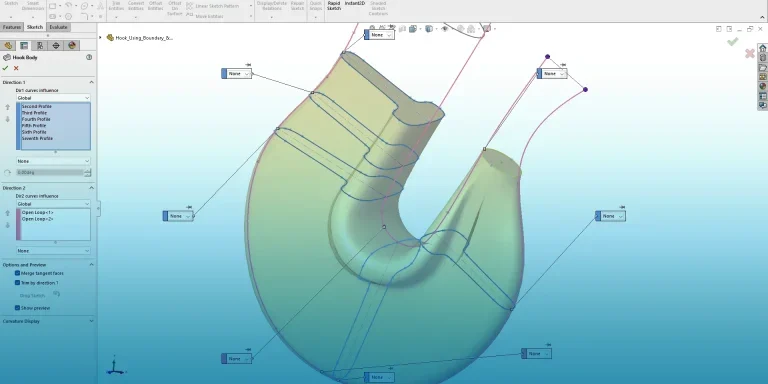
The SOLIDWORKS Advanced Part Modelling training course explores techniques including multi-body modelling, Boolean operations, Sweep and Loft features. Ideal for product and consumer designers seeking complex shape mastery.

EMS / HFWorks for SOLIDWORKS Training
The EMS / HFWorks for SOLIDWORKS training course is recommended to learn how to use the Magnetic & Electric Field Modelling and Simulation tools and interpret results.
Logopress Training
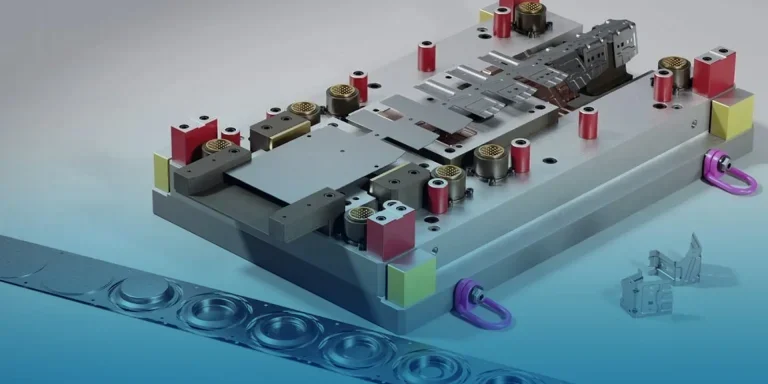
The Logopress training course is recommended to learn the various flattening, nesting, or die Simulation operations relevant to your processes.
SOLIDWORKS Assembly Modelling Training
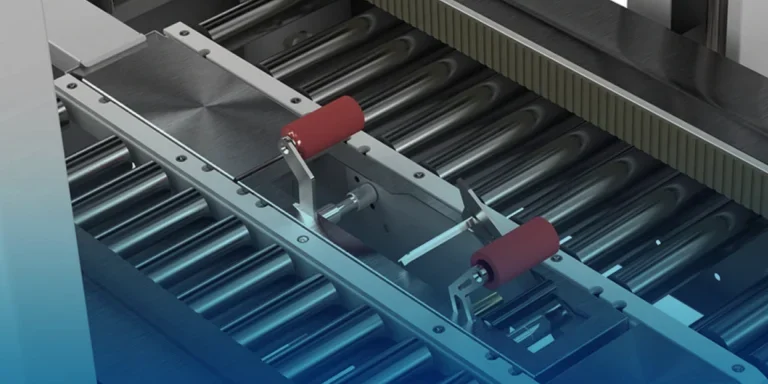
In the SOLIDWORKS Assembly Modelling training course learners master top-down assembly design in SOLIDWORKS for bespoke components. Learn shortcuts, automated configurations, and advanced assembly management for improved large assembly performance.
Smap3D Piping Training
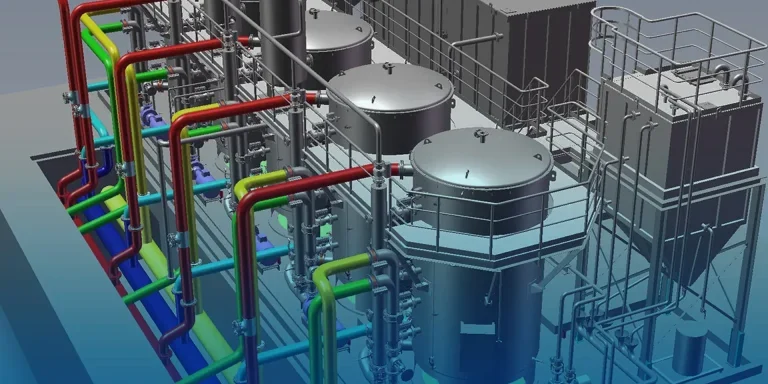
In the Smap3D Piping Training course you will learn to create pipework from P&ID files, add equipment, and build routes with minimal effort.
SolidCAM Turning Training
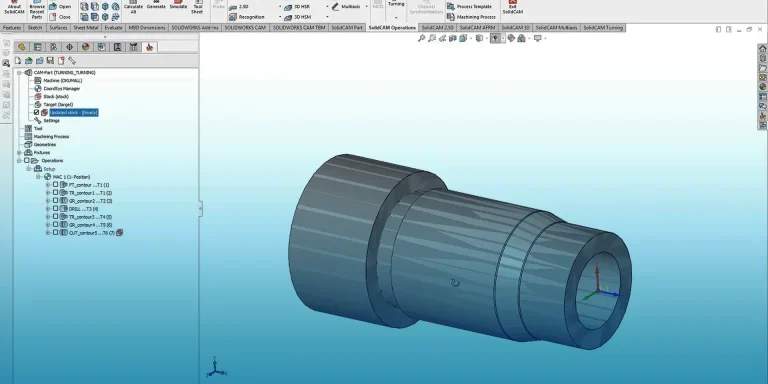
Introduction to basic concepts of turning and interface of SolidCAM for efficient manufacturing.
SOLIDWORKS Inspection Training
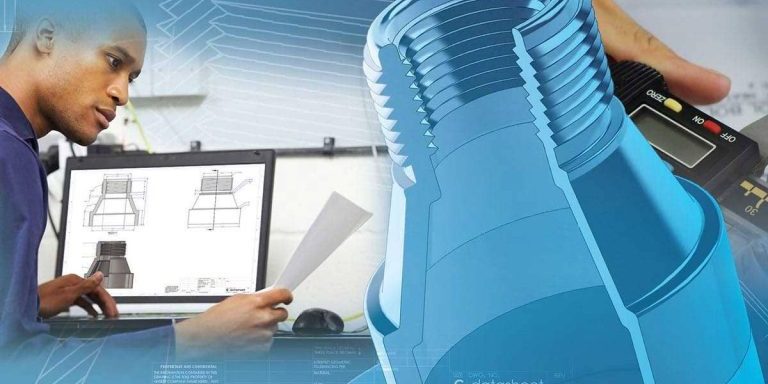
Learn how to automate the creation of ballooned drawings and inspection reports with SOLIDWORKS Inspection.
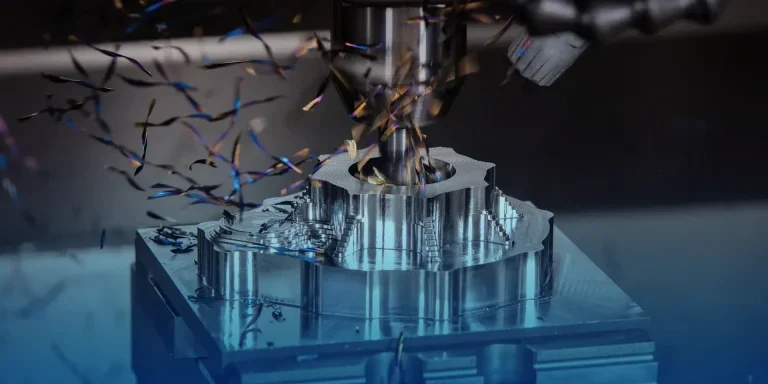
SolidCAM High Speed Surfacing Training
The SolidCAM HSS High Speed Surfacing training develops on the SolidCAM module HSR/HSM basics to add further control of your programming.

Using 3DEXPERIENCE Platform and SOLIDWORKS Training
This course on using 3DEXPERIENCE Platform and SOLIDWORKS training explores efficient workflows for in 3DEXPERIENCE alongside SOLIDWORKS.
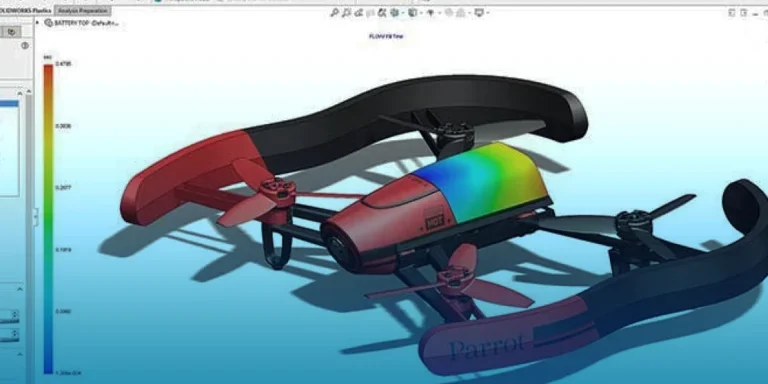
SOLIDWORKS Plastics Standard Simulation Training
SOLIDWORKS Plastics Standard Simulation training course teaches users how to simulate early stages of the injection moulding process to improve performance.