











Switching from Autodesk Inventor to SOLIDWORKS

Written by: Sophie Dranfield
Published: Mar 17, 2026
| View All Blogs
For many design and engineering teams across the UK, Autodesk Inventor works well. But as workloads grow and assemblies get more complex, some workflow challenges stand out. Rebuild delays, assembly behaviour, and repeated manual fixes can gradually influence the pace of projects.
Hesitation about switching from Inventor to SOLIDWORKS is not usually about the software itself. It’s often about disruption, the learning curve, or protecting existing Inventor CAD data. A well-planned and supported migration keeps work moving and reduces uncertainty.
Common Challenges for Autodesk Inventor Users
As assemblies grow and design cycles become more demanding, some teams using Inventor begin to notice areas where the workflow feels heavier than they’d like.
These may include:
- Slower rebuilds on large or complex assemblies
- Occasional suppress/fix cycles to maintain stability
- Repeating certain manual steps during design updates
- Using separate tools for simulation, visualisation, or documentation
- Delays when passing files downstream, especially across departments
Inventor is a capable system, but as workloads scale, these small interruptions can become more noticeable over time.
The Real Impact of Staying in Inventor Long-Term

Each delay or workaround might feel manageable on its own. Over months and years, however, they accumulate across engineers and projects, leading to:
- Slower design progress during busy phases
- More checks during reviews and approvals
- Interruptions that break concentration
- Spending extra time resolving unexpected behaviour
Another challenge is support availability. When issues arise, teams often rely on online searches or experimentation, which can extend delays.
Why Teams Hesitate to Move from Inventor to SOLIDWORKS
Switching CAD software isn’t something teams do often, so it’s natural to question:
- What happens to our existing Inventor files?
- Will switching slow down active projects?
- How long will training take?
- How predictable will assemblies be in SOLIDWORKS?
- Who can help if something isn’t working?
These concerns make sense, and a structured migration process addresses exactly them.
How Quick Is the Inventor to SOLIDWORKS Migration Process?
Every business has different data volumes, workflows, and requirements. Even so, the switching process is quicker and smoother than most teams initially expect.
Software onboarding: a few hours to a couple of days
Most teams become productive in SOLIDWORKS early on. Guided onboarding helps engineers understand the environment fast. Role-based training usually takes 3 to 10 days, based on experience.
Data migration: days to several weeks (or staged over months)
Migration timeline depends on:
- The size and age of your Inventor library
- Whether you choose a full or staged migration
- How your file structure is organised
- Whether legacy files need repair
Many companies choose a staged migration to avoid pressure on live work.
File integration reduces conversion time
SOLIDWORKS can work with several non-native CAD formats directly, reducing the need to convert everything at the start.
Hardware can influence performance
If you’re checking if your current workstation will run SOLIDWORKS smoothly, our hardware guide can help you decide.
Most teams feel agile in SOLIDWORKS early in the process, with larger data migration handled quietly in the background.
How Solid Solutions Makes the Move Straightforward

A move from Inventor to SOLIDWORKS can be organised to minimise disruption. The process typically includes:
Data Migration
Inventor parts, assemblies, drawings, and metadata are transferred for you. We identify potential issues early, so they don’t carry into the new environment.
Repair and Adjustment
Legacy files with broken references or stability challenges can be repaired during the move.
No Disruption to Live Projects
Migration plans are aligned to your active workload so engineers can continue working without interruption.
Daily UK-Based Support
Support is available via phone, email, and remote access. This reduces downtime and gives teams confidence during the transition.
Structured Training
We tailor SOLIDWORKS training to each engineer’s responsibilities, helping teams gain familiarity and momentum quickly.
Optional CAD Administration Support
Some organisations use our CAD Management Services for ongoing governance and system management. This keeps their setup consistent and well maintained.
What Teams Gain After Switching
Teams often notice improvements in:
- Assembly performance, particularly on larger builds
- Rebuild times
- Stability and predictability
- Drawing accuracy and consistency
- Change and revision control
- Collaboration across engineering and downstream functions
SOLIDWORKS brings modelling, visualisation, analysis, and data management together in one environment. Some teams also explore cloud-based design tools through SOLIDWORKS Cloud Services to modernise collaboration across locations or partners.
Predictable modelling behaviour is often one of the first differences engineers’ comment on.
Experiences from Teams Who Have Switched
Teams that have already made the switch frequently mention:
- Clean, organised data migration
- Minimal disruption to active projects
- Quick adjustment once training begins
- Greater day-to-day stability
- Confidence from having direct support available
Many also note that the transition felt smoother than expected once the process began. Some choose structured long-term support and training through our Success Packages.
Is Switching from Inventor to SOLIDWORKS Right for You?
If Inventor causes repeated slowdowns or forces manual workarounds, a move may be worthwhile.
It may also help if your team needs an integrated setup for modelling, simulation, and data management.
A managed migration helps your team stay productive during the transition. It often creates a smoother, more predictable design environment.
Next Steps & Additional Resources
These resources can help you explore the process in more detail:
Categorised as: Data Management | SOLIDWORKS Design
Get a SOLIDWORKS Quote
Interested in SOLIDWORKS? Contact us for questions, trials, or demos by clicking the button below or call 01926 333777. Our experts will help you find the perfect solution.

Related Posts

How to Find Reaction Forces in SOLIDWORKS Simulation
SOLIDWORKS helps us to find resultant forces through simulation studies. These virtual tests reduce the need for physical prototypes and give us an accurate answer.

Setting number of decimal places in a table on a drawing
When creating an equation in a drawing general table, is it possible to define the…
SOLIDWORKS Smart Fasteners
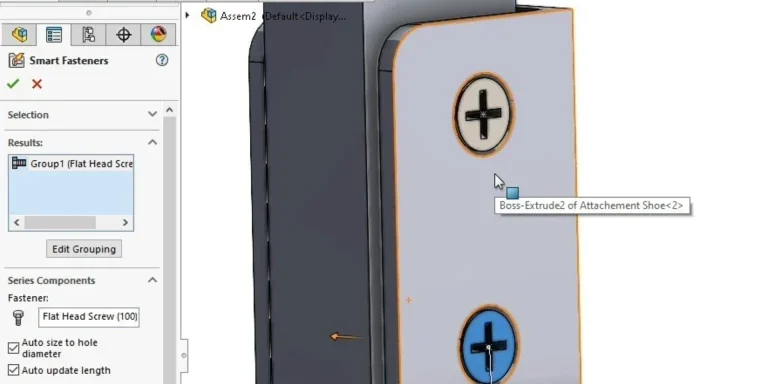
SOLIDWORKS Smart Fasteners is a really useful time saving tool, allowing you to automatically insert toolbox fasteners such as bolts and screws into an assembly providing there is a standard hole.
Why is my Flat Pattern not showing in SOLIDWORKS Drawings?
This may be linked to how the drawing is saved or it can be related to how sheet metal parts are displayed in drawings, read on to find out how to fix it.

SOLIDWORKS Tips: Are you Making this Common Mistake in Fatigue Analysis?
Simulation is a vital and complex engineering need. Fortunately, SOLIDWORKS makes it easy to test, correct mistakes and obtain accurate results.

How to Recover SOLIDWORKS Files After a Crash
SOLIDWORKS has two different methods to help you recover from an unexpected crash or loss of data in the form of auto-recovery and back-up settings.

Redesigning Santa’s Sleigh in SOLIDWORKS
Every year Father Christmas has to fly in his sleigh to deliver presents to boys and girls all over the world in just one night. To put this into perspective, it takes a little under 24 hours to fly from London (UK) to Sydney (Australia) in a streamlined Boeing 747, whereas Father Christmas’ mode of transport is believed to be a rather non-aerodynamic sleigh.

SOLIDWORKS Grid Systems – hidden away, but very useful!
Rory Niles provides an insight into the uses for Grid Systems within SOLIDWORKS 2018

Furniture Design Made Easy with SOLIDWORKS
Calling all furniture and interior designers: the days of creating square cabinets are over. What if we told you there’s a much easier way to bring your products to life?
Here’s 10 reasons why we feel SOLIDWORKS is better than any other software, especially if you’re designing furniture:
Making 3D Textures from Images on SOLIDWORKS
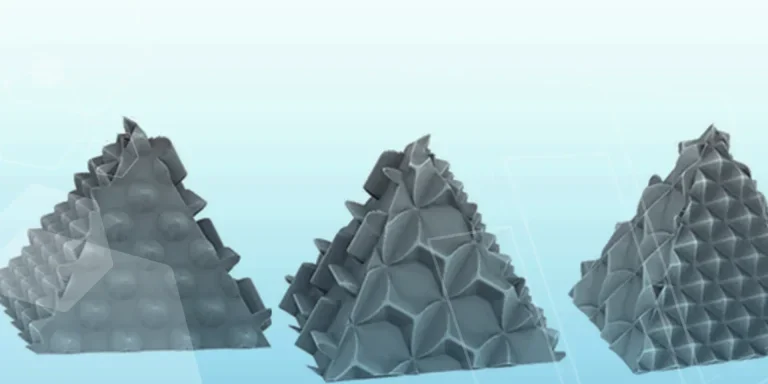
Turn images into 3D geometry with brand new SOLIDWORKS 3D Textures Feature