



Virtual Twins Are Now Mainstream – Here’s What It Means For Product Engineering
Written by: Sawyer Gara
Published: Feb 24, 2026
| Last Updated: February 24, 2026
| View All Blogs
Staying on top of today’s competitive landscape means not just implementing technology but doing it intelligently and properly leveraging it to your advantage. These days, having a virtual twin is less of a recommendation and more of a requirement to stay ahead of the competition.
Not having a virtual twin could cost you time, money, and your competitive edge, leaving you falling short of engineering excellence. Implementing a virtual twin for your organisation allows you to visualise, simulate, and validate real-world systems with less risk than traditional testing.
What is a Virtual Twin?
Virtual twins are a fully digitised representation of the physical world. As a result, you have a true-to-life virtualisation of all your systems, people, and procedures to help lower risks through virtual validation without needing a physical test.
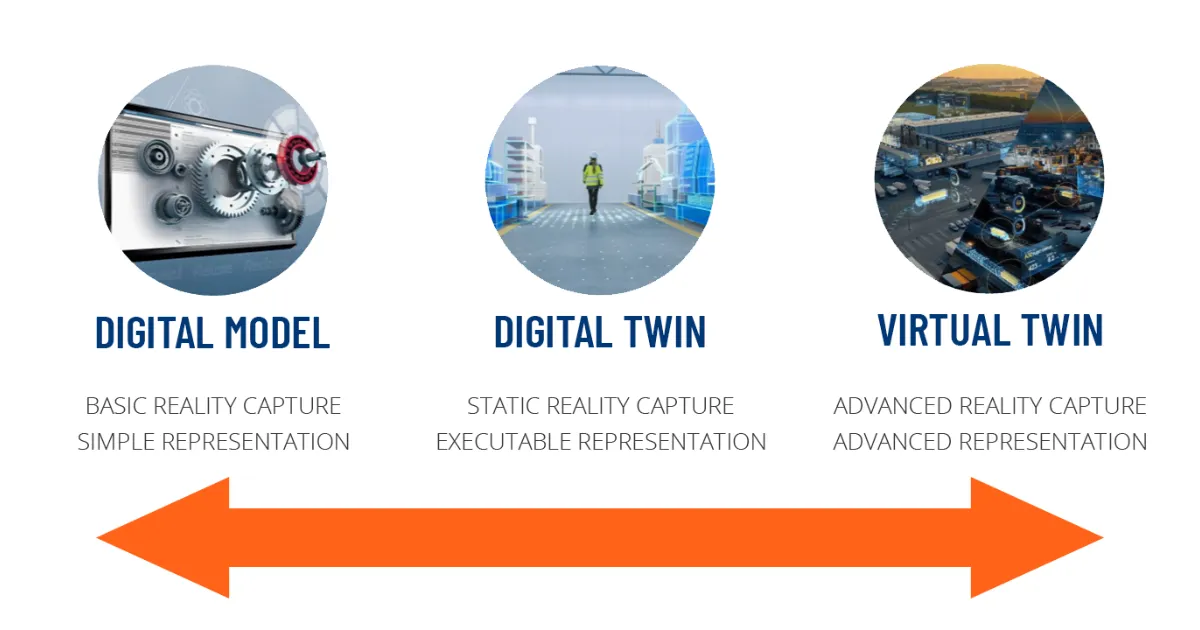
Virtual Twin Spectrum
Virtual twins rely heavily on a continuous feedback loop, meaning that it won’t be perfect the first time around, but gets more accurate and valuable as time goes on. As results from simulations and physical testing get more refined, so do virtual twins.
What Are the Benefits of Virtual Twins?
Implementing a virtual twin means that you can leverage the most elevated form of the concurrent engineering and design cycle. Traditional design cycles heavily rely on physical prototyping and validation, which increases cost and lead times when changes are required. The concurrent design cycle has prototyping, and validation done virtually and at any moment, allowing your team to stay agile as changes occur.
Improved Business Resilience
With virtual twins, businesses experience increased collaboration and protection from risks.
With everyone on a single platform and the entire system visible to stakeholders, there is nowhere for communication to break down. Additionally, companies can run a near-infinite number of scenarios through validation and testing to protect themselves from future vulnerability.
Improved Productivity and Quality
With virtual twins, businesses experience accelerated product testing and engineering processes.
With most of the validation done virtually, you no longer need to wait for a physical prototype or room on a testing machine to open. Your current processes can be up to 40% faster with a virtual twin and give you more time to innovate on your current designs.
Improved Design Sustainability
With virtual twins, designs are more sustainable and reach breakthroughs in technology more often.
With the continuous concurrent design cycle, you are constantly getting valid feedback on every aspect of a design. As a result, your product development choices are coming with empirical data, tackling real challenges, and having a real-world impact.
Virtual Twin vs Digital Twin vs Digital Model
Virtual twins are ultimately on a spectrum that allows your organisation to find a solution based on your current and future needs. We often see organisations fall somewhere between one of the following: digital model, digital twin, and virtual twin.
Digital Model
Digital models provide the simplest representation of your designed system and give a basic reality capture. SOLIDWORKS parts and assemblies give you the entry point with digital models, capturing engineering data to generate a virtual representation of the physical model.
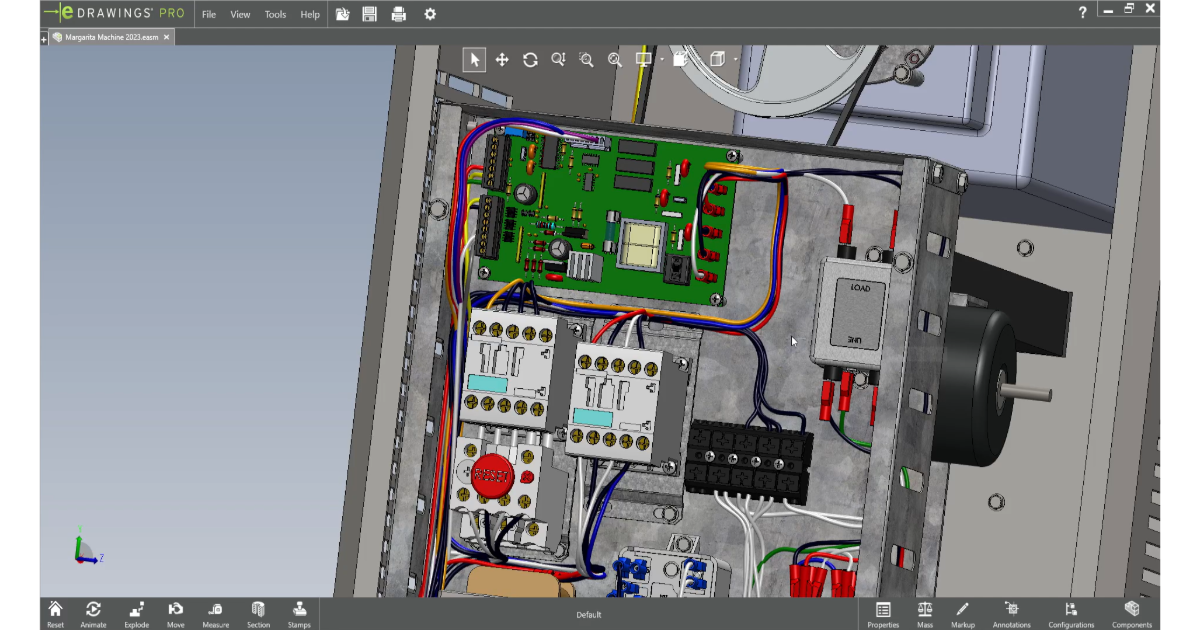
Viewing the Digital Model with eDrawings
With digital models, you can still make real-world impacting decisions and help drive innovation, just without all the data you could have with a full virtual twin. We see many organisations start here to build a CAD library, giving 3D models to sales teams, or letting consumers use their models for downstream applications.
Digital Twin
Digital twins are the first real entry to the virtual ecosystem that provides a digital representation needed for engineering execution but are often a static reality capture. Running finite element analysis studies with SOLIDWORKS Simulation or programming robotic arms with 3DEXPERIENCE are typically where we see companies leverage digital models.
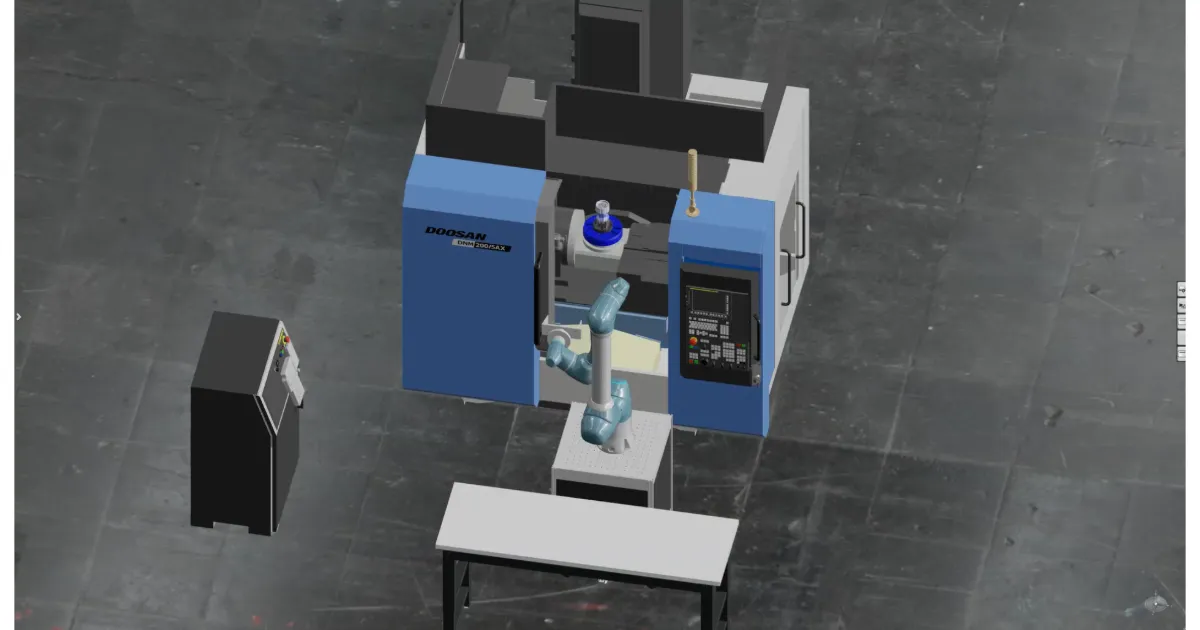
Using a Digital Twin to Validate Manufacturing
With digital twins, the design-altering designs come with a lot more data than just virtually testing part fitment or generating bills of materials. You’ll be able to gain insight from simple static studies to high-speed, dynamic impacts, as well as validating CNC toolpaths or shop floor layouts.
Virtual Twin
Virtual twins give the most advanced virtual representation of your physical world. These ultimately capture the model, system, and processes that make up your organisation.
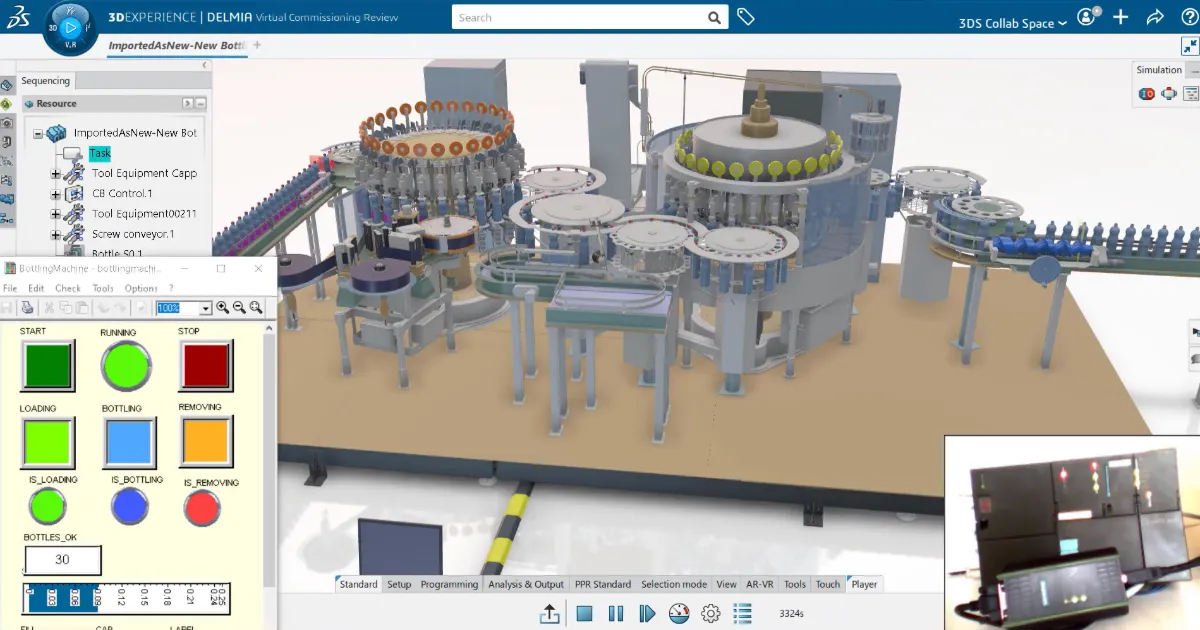
Testing Real World PLC with Virtual Twins
With virtual twins, you can validate real-world hardware by connecting it to the digital model or test form and fit through virtual reality applications.
Keys to Successfully Implementing a Virtual Twin
Aside from not utilising a virtual twin at all, the biggest mistake your organisation can make is jumping in without a plan. Without proper planning, you can find yourself with an underperforming virtual twin and potentially gain the wrong insight from your virtual world.
- Collaboration: Since a virtual twin takes all models, systems, and processes in your organisation you need to work together to create a plan. Identify key stakeholders and clear, definable goals.
- Modeling: You can’t have a virtual twin without first having a digital model. Be sure to digitise everything you want included in the virtual twin, including small objects like bolts, specific materials used on components, and accurate spacing between manufacturing cells.
- Optimisation: The best part of having virtual twins is getting to play with what-if scenarios. With no real risks, you can test some of the outlandish ideas you never could previously to let you achieve real innovation.
- Performance: With the ability to test changes based on your wildest imagination, it’s hard not to get caught up in those what-if scenarios. Be sure to efficiently make changes to your twins based on empirical data and stay true to the definable goals conceived earlier.
Are You Ready for The Next Era of Engineering Excellence?
Most companies find themselves somewhere on the virtual twin spectrum and often leverage a digital model more than they realise. If you don’t find yourself using some form of virtual or digital twin, the best way to do so is by switching to SOLIDWORKS.
However, no matter where you find yourself on the virtual twin spectrum, Solid Solutions is here to help you along your journey to engineering excellence. We have decades of experience helping clients through their digital transformation by leveraging our global expertise to find the perfect solution for you.
Categorised as: Industry Insight | SOLIDWORKS Simulation | Simulation
Get a SOLIDWORKS Quote
Interested in SOLIDWORKS? Contact us for questions, trials, or demos by clicking the button below or call 01926 333777. Our experts will help you find the perfect solution.

Related Posts
How to Find Reaction Forces in SOLIDWORKS Simulation
SOLIDWORKS helps us to find resultant forces through simulation studies. These virtual tests reduce the need for physical prototypes and give us an accurate answer.
SOLIDWORKS Tips: Are you Making this Common Mistake in Fatigue Analysis?
Simulation is a vital and complex engineering need. Fortunately, SOLIDWORKS makes it easy to test, correct mistakes and obtain accurate results.
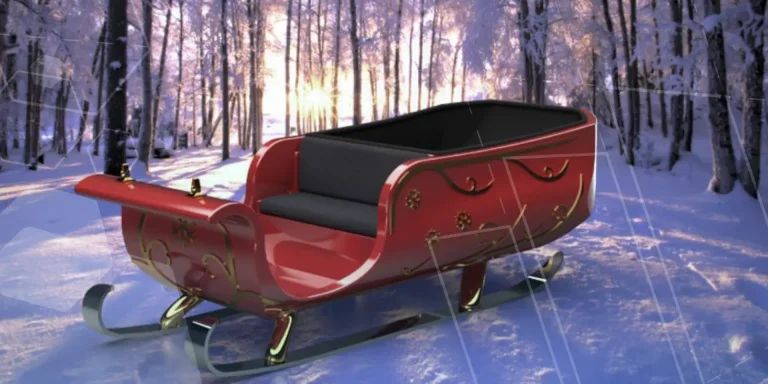
Redesigning Santa’s Sleigh in SOLIDWORKS
Every year Father Christmas has to fly in his sleigh to deliver presents to boys and girls all over the world in just one night. To put this into perspective, it takes a little under 24 hours to fly from London (UK) to Sydney (Australia) in a streamlined Boeing 747, whereas Father Christmas’ mode of transport is believed to be a rather non-aerodynamic sleigh.
Radiation in Flow Simulation – Part 1 : Reflection
Technical Manager Andy Fulcher explores ‘Radiation in Flow Simulation, Part 1 : Reflection’
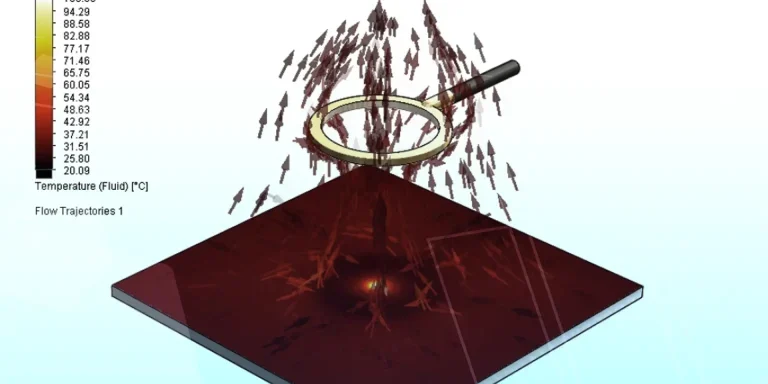
Radiation in Flow Simulation – Part 2 : Refraction
Technical Manager Andy Fulcher explores ‘Radiation in Flow Simulation, Part 2 : Refraction’
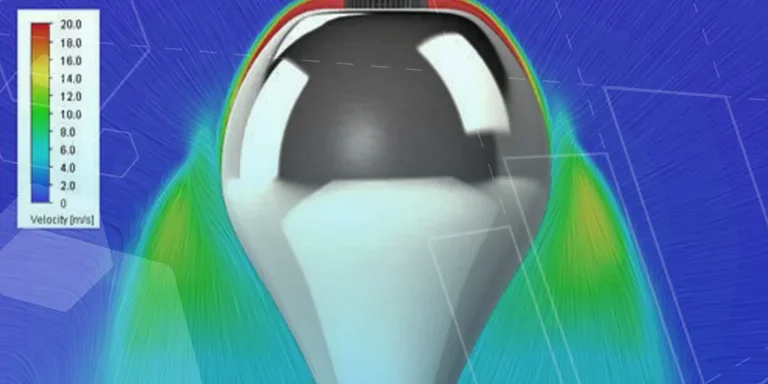
The Coanda Effect in Flow Simulation
Can you take advantage of the Coanda Effect & can SOLIDWORKS Flow simulate it? Applications Engineer Romel Cumare investigates in his latest blog post.
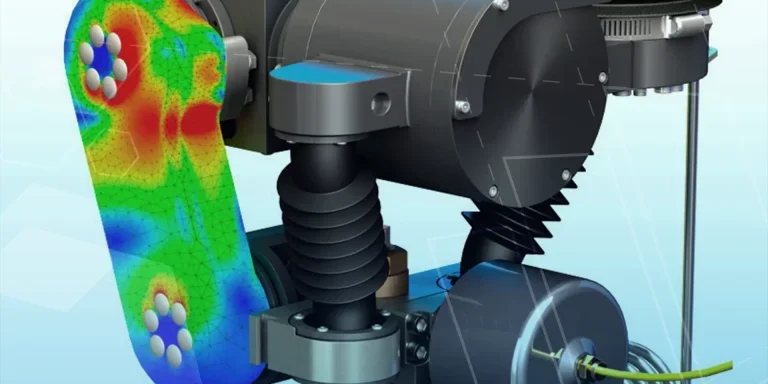
So how accurate is SOLIDWORKS Simulation?
How accurate is SOLIDWORKS Simulation? Elite Applications Engineer Chris Boyles investigates.
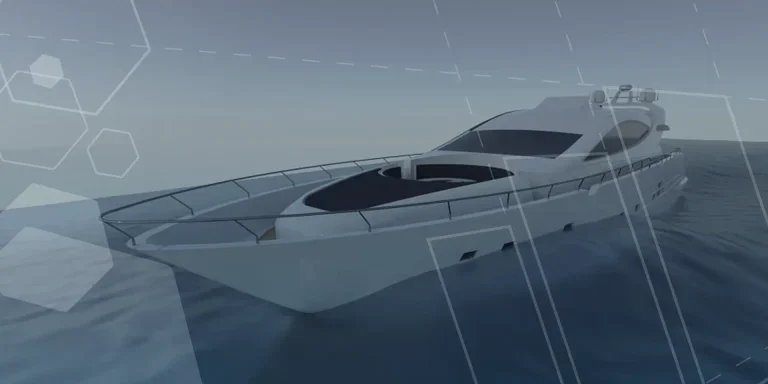
Set Your Fluids Free with SOLIDWORKS Flow Simulation
A look at the new Free Surface feature coming in SOLIDWORKS Flow Simulation 2018.
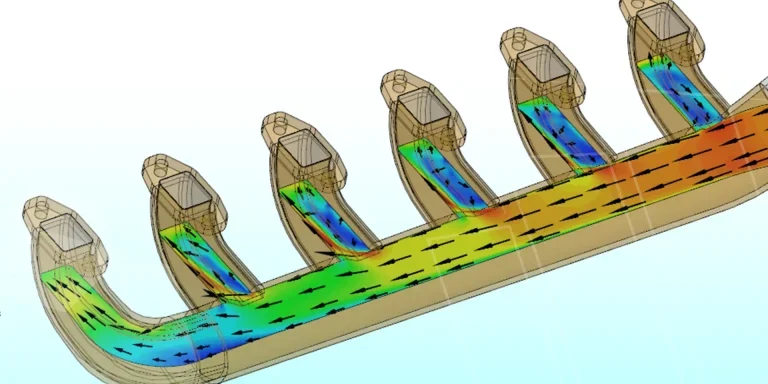
Finding a Good Mesh Fast in SOLIDWORKS Flow Simulation
‘How do I know when to stop my calculation?’ and ‘How do I know my mesh is good enough?’ are questions often asked when running SOLIDWORKS Flow Simulation studies.
The answer is to ensure the solution reached is both fully converged AND mesh independent. In practice this can take a bit of trial and error as well as some experience in the process. However, SOLIDWORKS Flow can help us do both of these at once! Here’s how…

Free Surface Evaluation & Validation – SOLIDWORKS Flow Simulation
In 2018 SOLIDWORKS introduced a new capability to their Flow software. This is called ‘Free Surface’ and opens up many more applications for users who need to simulate fluid behaviour where a gas and a liquid (or two immiscible liquids) share the same region of space without an intervening solid